Rest & Recharge After the Holidays: Practical Self-Care for Homeschool Moms

The holidays are over… and real life is back.
For many homeschool moms, that means co-op is starting again, kids’ activities are back on the calendar, lessons are resuming, and routines are ramping up—often all at once.
At the same time, the recovery period from the holidays hasn’t fully ended.
That overlap can feel frustrating.
You may want to rest, but school needs to happen. You may crave quiet, but schedules are full. You may know you’re tired, but you still need to show up—for your kids, your homeschool, and your commitments.
This post is the first in The Lively Bean’s Self-Care Series, and it’s intentionally grounded and realistic. This isn’t about slowing life down—it’s about supporting yourself while it’s moving.
No unrealistic routines. No pressure to check out. Just practical ways to rest and recharge inside a busy homeschool season.
If January feels heavy but full, this post is for you.

Why the Post-Holiday Season Is So Draining for Homeschool Moms
December often runs on adrenaline.
January runs on whatever is left.
For homeschool moms, there’s rarely a clean break between:
- Holiday planning and clean-up
- Family time and school time
- Rest and responsibility
Add in the return of co-ops, outside classes, sports, and lessons—and everything stacks quickly.
That overlap can lead to:
- Mental fatigue
- Short tempers (yours and theirs)
- Low motivation
- Feeling behind before you’ve even started
None of this means you’re failing or resisting responsibility. It means you’re transitioning between seasons—and transitions take energy, especially when life is already moving.

A More Realistic Definition of Self-Care for Homeschool Moms
Self-care in this season isn’t about slowing life down completely.
It’s about reducing unnecessary strain while staying engaged.
Instead of asking, “What should I stop doing?” try asking:
“What can be a little easier while we’re getting back into the swing of things?”
That shift keeps you present and supported.
Self-care for homeschool moms in January often looks like:
- Fewer decisions on busy days
- Simpler plans around full schedules
- Clear stopping points when days run long
- Margin built in where possible, not everywhere

1. How to Start Homeschool Back After the Holidays (Without Burning Out)
For most families, school doesn’t pause just because energy is low.
So instead of an all-or-nothing restart, aim for a functional re-entry.
Practical Ways to Ease Back In
- Keep co-op days lighter academically at home
- Focus on core subjects on busy activity days
- Use review or familiar material during the first week back
- Build in independent or quiet work you don’t have to lead
This isn’t lowering expectations—it’s adjusting to a fuller schedule while everyone re-regulates.
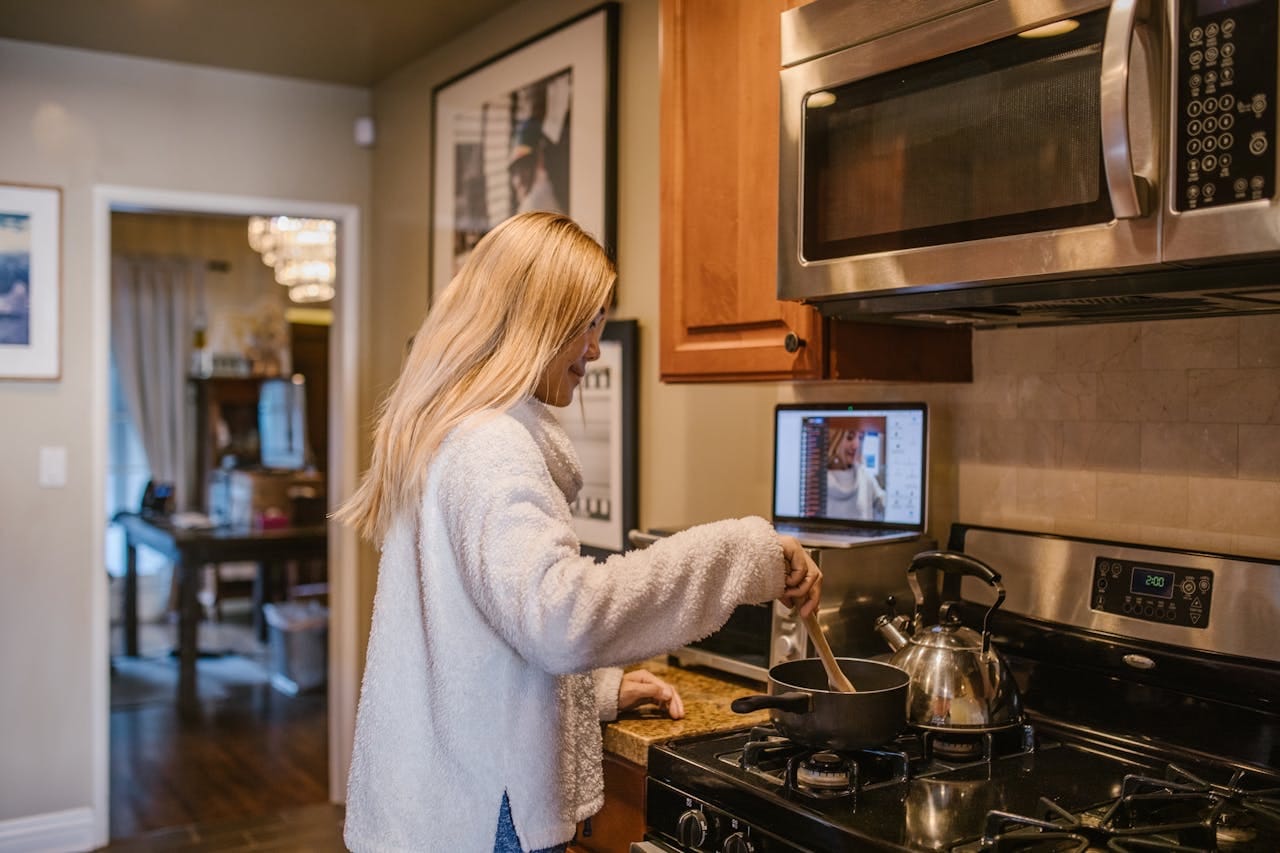
2. How to Reduce Decision Fatigue as a Homeschool Mom
When life speeds up again, decision fatigue increases fast.
Meals, lessons, rides, supplies, schedules—it all adds up.
Practical Ways to Decide Less on Busy Weeks
- Repeat the same breakfasts and lunches during activity-heavy weeks
- Pre-plan school days the night before (just the basics)
- Choose “good enough” for lessons on co-op days
- Reuse systems that worked last semester instead of reinventing them
The goal isn’t perfection. It’s staying steady.

3. Practical Ways Homeschool Moms Can Rest During Full Days
Rest doesn’t require opting out of responsibilities.
It works best when it fits around them.
Embedded Rest for Busy Homeschool Moms
- Sitting during read-aloud instead of multitasking
- Pausing for a few deep breaths between drop-offs and lessons
- Drinking your coffee without planning the next thing
- Allowing a short reset between school and afternoon activities
These moments won’t fix exhaustion—but they can prevent overload.
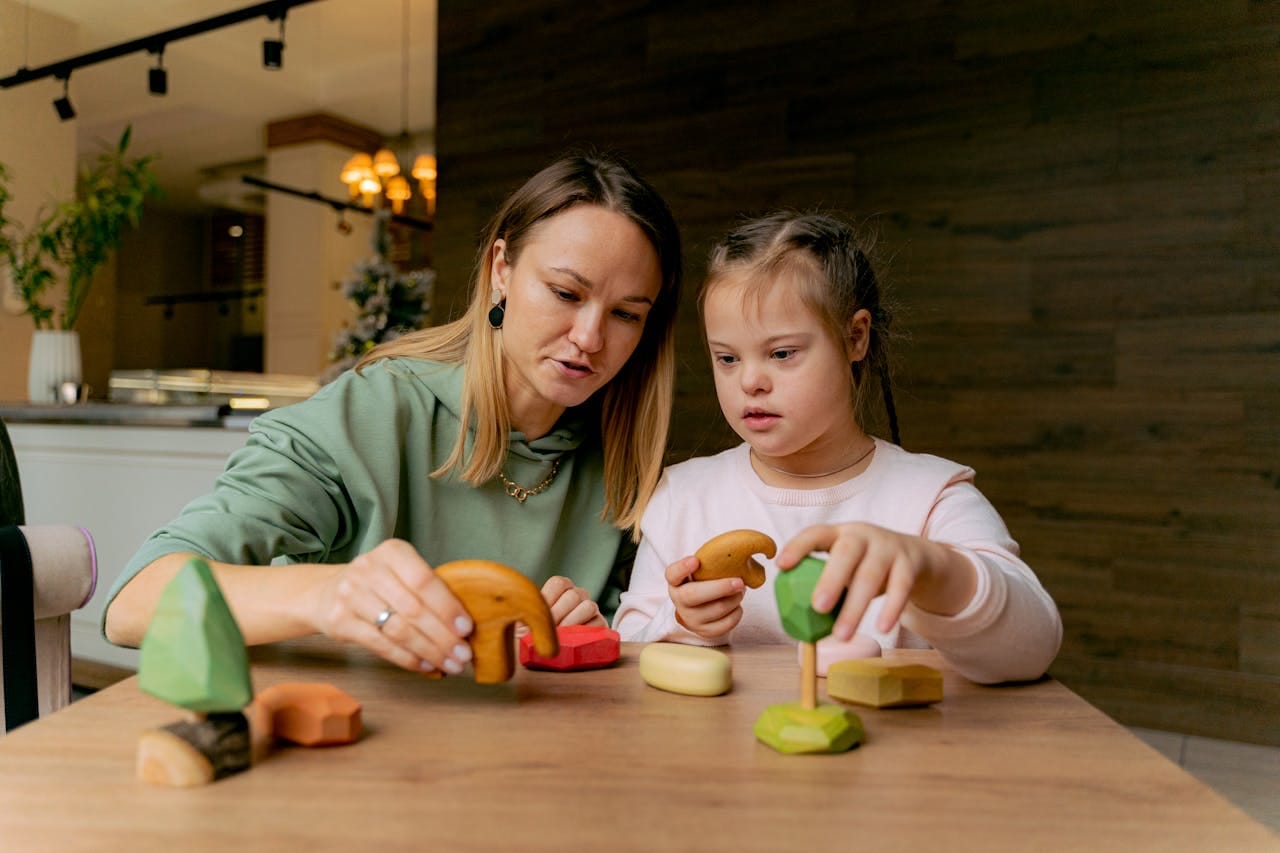
4. Planning Your Homeschool Schedule Around Low Energy
January energy is often lower—even when schedules are full.
Instead of pushing harder, plan more thoughtfully.
Practical Adjustments
- Schedule demanding subjects on lighter activity days
- Save independent or hands-on work for busy afternoons
- Avoid adding new commitments this month if possible
- Choose one lighter homeschool day each week to build in margin
Energy-aware planning helps you show up consistently.
5. Realistic Home Expectations During a Homeschool Reset
When schedules fill back up, it’s easy to feel pressure to “get everything together.”
You don’t have to.
What Can Wait During Busy Weeks
- Whole-house organization projects
- New routines for every area of life
- Perfectly reset homeschool spaces
Focus on what directly supports your daily flow.
A calm homeschool doesn’t require a perfectly reset home—it requires realistic expectations.

6. A Simple Self-Care Check-In for Homeschool Moms
When life is busy, reflection needs to be short.
A quick check-in can keep burnout from building.
Try asking:
- What felt hardest today?
- What helped even a little?
- What can I make easier tomorrow?
That’s enough awareness for this season.

7. Why “Good Enough” Is the Goal for Homeschool Moms in January
This month doesn’t need big wins.
It needs follow-through.
If school happens most days, that’s enough.
If co-op and activities feel full, that’s normal.
If you’re tired but still showing up, that counts.
Homeschooling is built on consistency over time—not perfect energy levels.

Practical Self-Care Support for Homeschool Moms from The Lively Bean
This self-care series isn’t about disengaging from homeschool life.
It’s about making it feel lighter and more sustainable as you move forward.
Over the coming weeks, we’ll focus on:
- Reducing mental load
- Simplifying systems
- Supporting tired homeschool moms in real life
No pressure. No unrealistic expectations.
Just practical support—right where you are.
For now, aim for steady.
That’s more than enough.