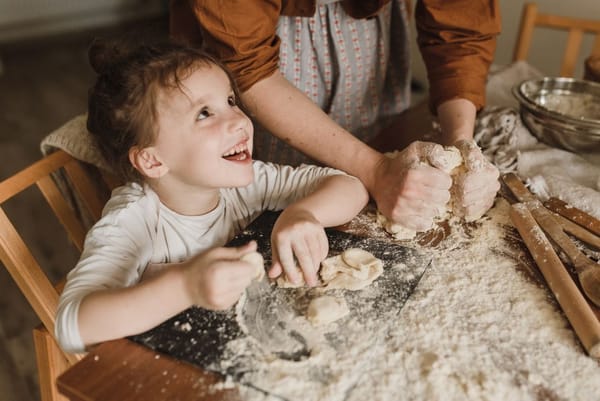
A Year of Homeschool Baking: Sweet Seasonal Ideas for Learning Together

There’s something special about a kitchen filled with the smell of something baking. Maybe it’s cinnamon drifting through the house on a chilly winter morning, fresh blueberry muffins cooling on the counter in summer, or a tray of holiday cookies waiting to be decorated by little hands.
These are the kinds of ordinary moments that can make homeschool life feel a little more magical.
And the wonderful thing? You don’t need an elaborate plan, a perfectly organized kitchen, or a Pinterest-worthy recipe to make them happen.
Sometimes, all you need is a favorite recipe, a few eager helpers, and a little room for curiosity.
Baking is one of those beautiful everyday activities that naturally brings learning to life. While measuring flour, children are practicing math. As they read a recipe, they’re building literacy skills. When they watch bread dough rise or see cookies change in the oven, they’re exploring science right before their eyes.
They’re also learning to follow directions, solve problems, take responsibility, and work alongside others. And somewhere between the mixing bowls, the flour-covered countertops, and the inevitable taste-testing, there’s an opportunity to slow down and enjoy being together.
That’s what makes baking such a lovely fit for homeschooling. Learning doesn’t always have to begin with a textbook or end with a worksheet. Sometimes, it begins with a question, a measuring cup, or a batch of muffins.
And baking doesn’t have to become another thing on your already-full homeschool to-do list, either. You can keep it simple, follow your children’s interests, and let the learning unfold naturally.
One of our favorite ways to find inspiration is to look to the seasons. Each month brings new flavors to explore, familiar traditions to enjoy, and fresh opportunities to learn together.
So, whether you’re looking for a cozy winter baking project, a fun way to explore fractions, or a simple seasonal activity to add a little variety to your homeschool days, this guide is here to help.
We’ve gathered twelve months of baking inspiration, along with easy ideas for connecting each project to learning. Think of it as a collection of possibilities—not twelve more things you need to accomplish.
Choose the ideas that make your family smile. Skip the ones that don’t fit your season of life. And remember that the goal isn’t to create a perfect baking experience.
It’s to make a little room for curiosity, creativity, and connection along the way.
Ready to preheat the oven and see what you can discover together? Let’s bake our way through the year!
Table of Contents
A Little Baking, a Lot of Learning
January: Cozy Winter Baking
February: Baking With Love
March: Spring Baking and Kitchen Science
April: Baking With Seeds, Flowers, and Spring Inspiration
May: Baking With Fresh Spring Flavors
June: Summer Fruit Baking
July: Patriotic and Picnic Baking
August: Back-to-School Baking
September: Apple and Harvest Baking
October: Pumpkin, Spices, and Fall Favorites
November: Baking and Gratitude
December: Holiday Baking and Family Traditions
Making Homeschool Baking Work for Your Family
A Little More Magic in Your Homeschool

A Little Baking, a Lot of Learning
Before we dive into the monthly ideas, let’s talk about why baking can be such a wonderful addition to your homeschool.
When we think about learning at home, it’s easy to picture lesson plans, books, and assignments. Those things can certainly have their place, but some of the richest learning experiences happen when children get to do something with their hands.
Baking gives children a chance to see the things they’re learning about come to life.
A recipe becomes a math problem they can actually taste. A rising loaf of bread becomes a science experiment. A shopping list offers a real reason to practice reading and writing. And a simple kitchen task can become an opportunity to grow in confidence and independence.
Here are just a few of the things children can explore while baking together:
-Math: Measuring ingredients, counting, recognizing fractions, multiplying quantities, and dividing treats into equal portions.
-Reading and writing: Following recipes, learning new vocabulary, reading ingredient labels, writing instructions, and creating recipe cards.
-Science: Exploring yeast, observing how ingredients change when heated, investigating leavening agents, and discovering how temperature affects a recipe.
-Life skills: Following directions, organizing supplies, practicing patience, cleaning up, and learning to work safely in the kitchen.
-Creativity: Decorating cookies, experimenting with flavors, designing treats, and finding new ways to present a finished creation.
And here’s the best part: you don’t have to cover every subject every time you bake.
You might spend one afternoon talking about fractions. Another day, your children might become fascinated by why bread rises. And sometimes, you might simply make cookies together because it sounds like a lovely way to spend the afternoon.
All of those experiences have value.
So, as you explore the ideas below, think of them as gentle invitations to learn, create, and enjoy time together—not a checklist you need to complete.
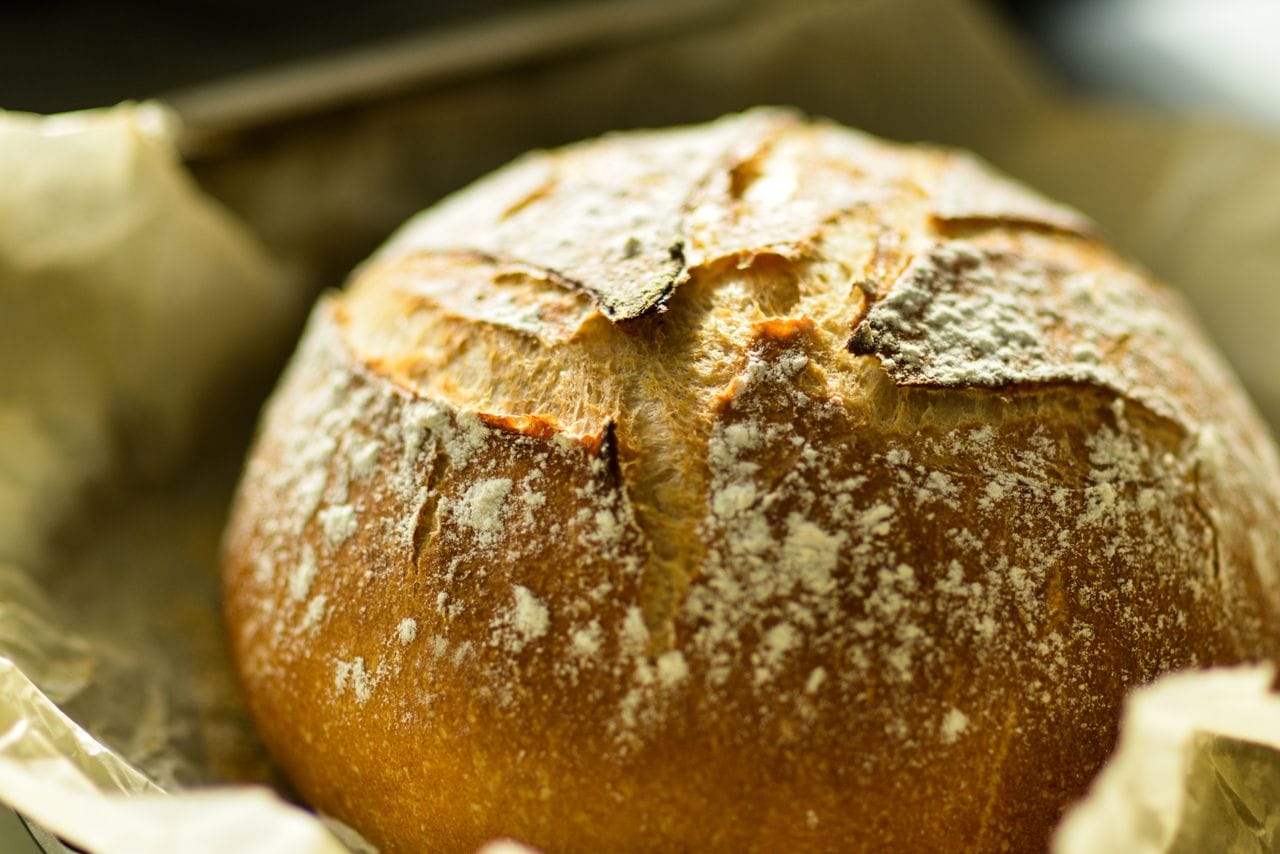
January: Cozy Winter Baking
When the days are chilly and everyone seems to gravitate toward warm, comforting things, January is a lovely time to bring a little baking into your homeschool.
Think warm muffins, homemade bread, cinnamon, and recipes that make the kitchen feel especially inviting. You can keep things simple while giving your children plenty of opportunities to explore, experiment, and lend a helping hand.
A few cozy recipes to try:
-Homemade bread or dinner rolls
-Cinnamon muffins
-Oatmeal cookies
-Banana bread
-Simple homemade biscuits
Little ways to bring learning into the kitchen
-Watch science happen-If you’re making yeast bread, invite your children to observe the dough before and after it rises. What has changed? Why do you think that happened? A simple baking activity can spark wonderful questions.
-Make math meaningful-Let your children measure flour, count scoops, or divide dough into equal portions. For older children, try talking about fractions or adjusting the quantities in a recipe.
-Practice following directions-Read through a recipe together before beginning. Ask your children what needs to happen first, what comes next, and why the order matters.
Try this: Make a small batch of yeast dough and observe how it changes over time. Talk about what yeast needs to do its job and how the temperature of the water can affect the process. Keep the water comfortably warm, not hot, and enjoy seeing the science unfold.
And if your first loaf doesn’t turn out quite as expected? That’s okay, too. Sometimes the most interesting discoveries begin with a little kitchen troubleshooting.

February: Baking With Love
February gives us a sweet opportunity to think about kindness, generosity, and the little ways we can show others we care.
And what better way to explore those ideas than by making something together?
Whether you’re decorating heart-shaped cookies, baking a batch of muffins for breakfast, or preparing a small treat for someone special, baking can be a lovely way to combine practical skills with meaningful conversations.
A few recipes to try:
-Heart-shaped sugar cookies
-Chocolate chip cookies
-Strawberry muffins
-Homemade brownies
-Decorated shortbread cookies
Little ways to bring learning into the kitchen
-Practice sharing and fractions-How can you divide a batch of cookies fairly? If everyone gets two, how many cookies will you need? Even a simple question can turn a familiar recipe into a real-world math activity.
-Explore patterns and creativity-Use icing, sprinkles, or different colors to create repeating patterns on cookies. Younger children can explore shapes, while older children can experiment with more detailed designs.
-Write a little kindness note-Invite your children to write a card to go with a homemade treat. They might practice spelling, write a few sentences, or decorate a note for a neighbor or loved one.
Try this: Choose someone your family would like to encourage or thank, then bake a simple treat together. Let the children help plan the recipe, prepare the ingredients, and create a note to go with it. Check for allergies and dietary needs before sharing food.
It’s a small project, but it offers a lovely reminder that learning can be about more than academic skills. It can also help children practice thoughtfulness, generosity, and caring for others.
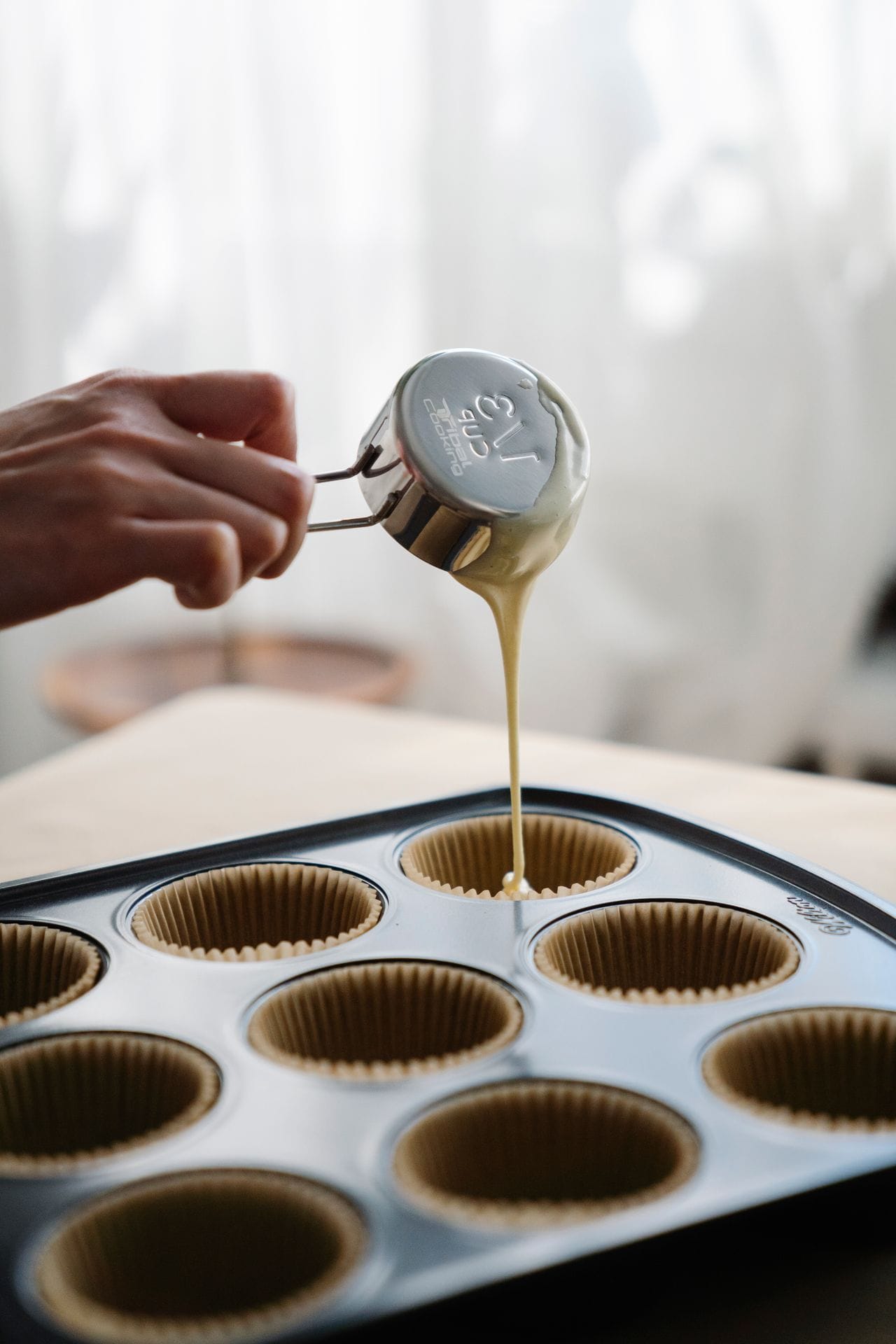
March: Spring Baking and Kitchen Science
As winter begins to give way to spring, it’s a lovely time to bring a little curiosity into the kitchen.
March is perfect for exploring how ingredients work together, experimenting with familiar recipes, and asking those wonderful questions that begin with What would happen if…?
A few recipes to try:
-Lemon muffins
-Irish soda bread
-Simple scones
-Carrot muffins
-Homemade quick breads
Little ways to bring learning into the kitchen
-Explore the science of rising-Compare recipes that use baking powder, baking soda, or yeast. What does each ingredient do? Why do some recipes need time to rise while others go straight into the oven?
-Notice cause and effect-Talk about why a recipe asks you to mix ingredients in a particular order or why some batters need gentle stirring.
-Build recipe-reading skills-Invite your children to read a few steps aloud and explain what needs to happen next.
Try this: Compare two small batches of muffins—one mixed just until combined and another mixed more than the recipe recommends. Observe the differences after baking. You may discover that a little extra stirring can change the texture of some baked goods.
The goal isn’t to get every experiment right. It’s to give children a chance to wonder, observe, and discover.
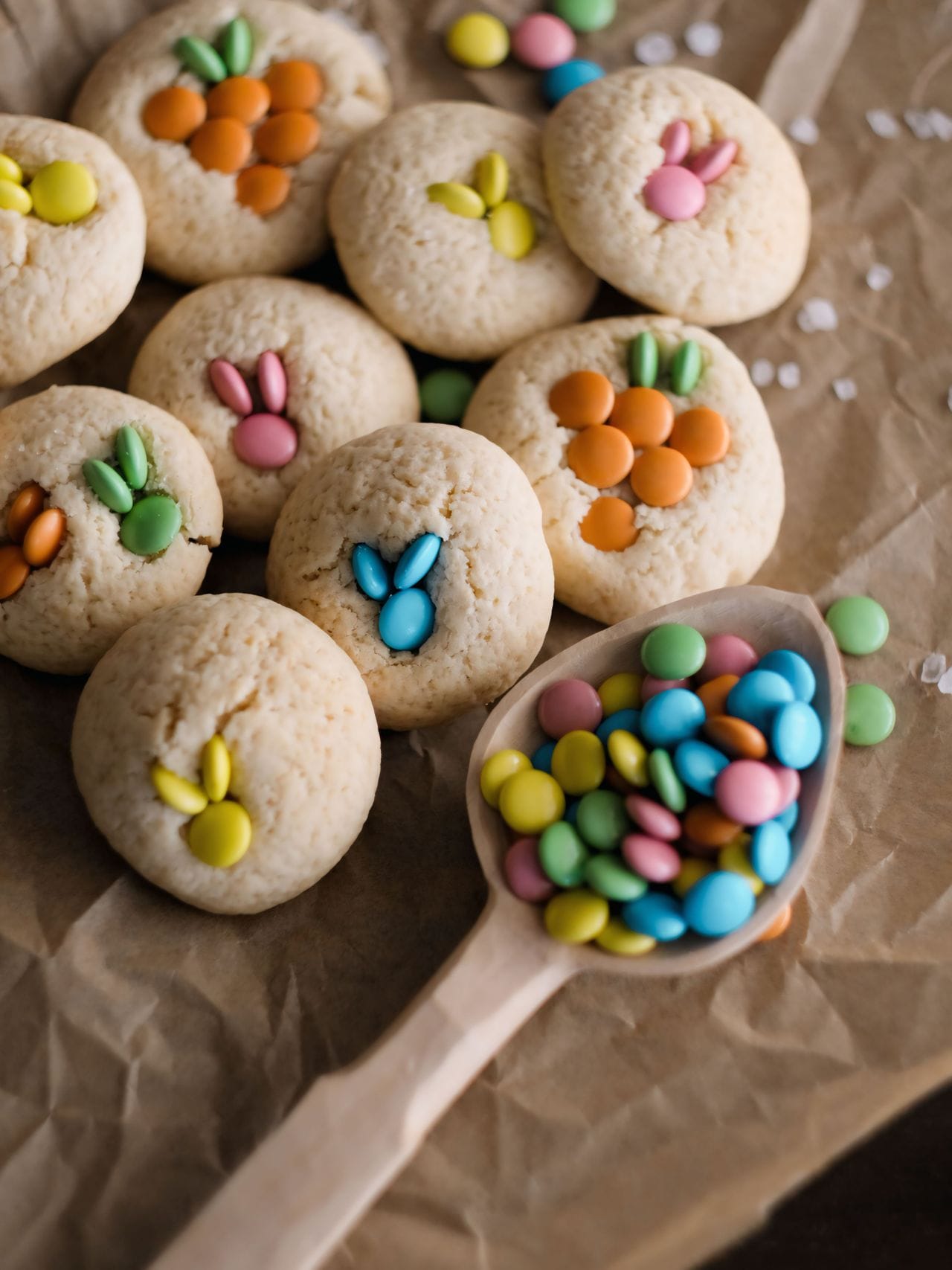
April: Baking With Seeds, Flowers, and Spring Inspiration
April brings fresh inspiration from the world outside our windows. Seeds begin to sprout, gardens start waking up, and nature gives us plenty to talk about.
You don’t need a garden of your own to bring these ideas into your homeschool. A few familiar ingredients can open the door to conversations about plants, food, and where our ingredients come from.
A few recipes to try:
-Lemon poppy seed muffins
-Sunflower seed bread
-Carrot muffins
-Seeded crackers or bread
-Spring-themed sugar cookies
Little ways to bring learning into the kitchen
-Discover where food comes from-Talk about how wheat, sunflower seeds, poppy seeds, carrots, and other ingredients are grown and harvested.
-Sort and compare-Gather a few safe, familiar ingredients and sort them into categories such as seeds, grains, fruits, and vegetables.
-Explore with your senses-Notice the colors, smells, and textures of ingredients before and after baking.
Try this: Choose one ingredient in your recipe and follow its journey from plant to pantry. Younger children might draw the steps, while older children can research how the ingredient is grown, harvested, and processed.
It’s a simple way to connect a kitchen activity with nature study—and perhaps inspire a little curiosity about what else is growing outside.
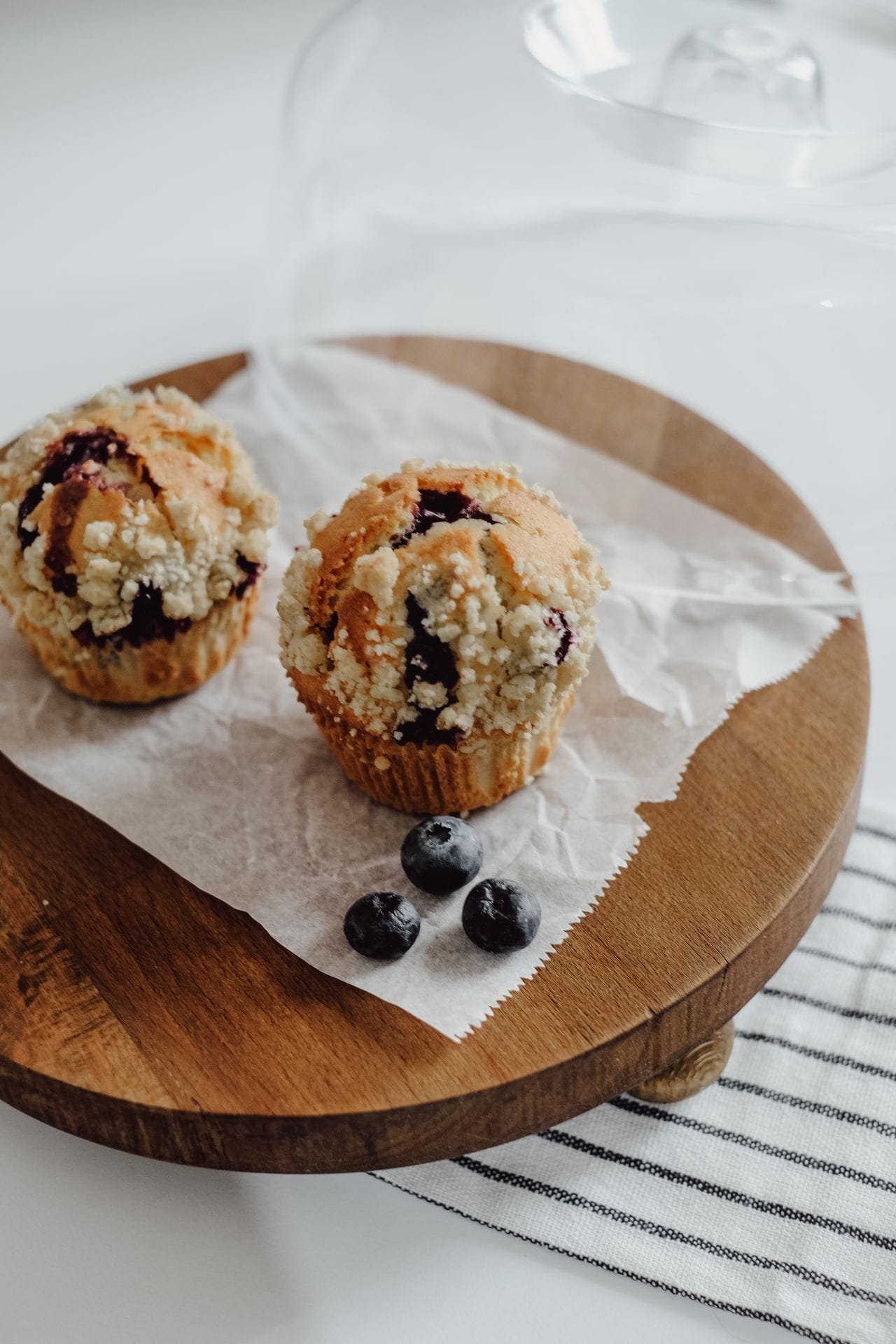
May: Baking With Fresh Spring Flavors
May is a lovely month to welcome fresh flavors into the kitchen. Strawberries, lemons, and other seasonal ingredients can make familiar recipes feel new again.
This is also a wonderful time to give children a little more ownership of the process, from choosing an ingredient to helping decide what to bake.
A few recipes to try:
-Strawberry muffins
-Lemon loaf
-Blueberry scones
-Fruit-topped shortcakes
-Homemade biscuits
Little ways to bring learning into the kitchen
-Practice fractions and division-Divide a batch into equal portions or work out how many servings a recipe makes.
-Explore seasonal foods-Talk about which fruits are grown locally and when they’re available. If you visit a farmers market or grocery store, invite your children to look for something new.
-Build kitchen confidence-Let children take on age-appropriate jobs, such as washing fruit, measuring dry ingredients, or gathering supplies.
Try this: Choose a seasonal ingredient together and find a recipe that uses it. Let your children help make the shopping list, compare prices, and prepare the finished treat.
Baking can be a lovely reminder that learning doesn’t always need to be planned weeks in advance. Sometimes, it starts with seeing something delicious at the store and wondering what you could make with it.
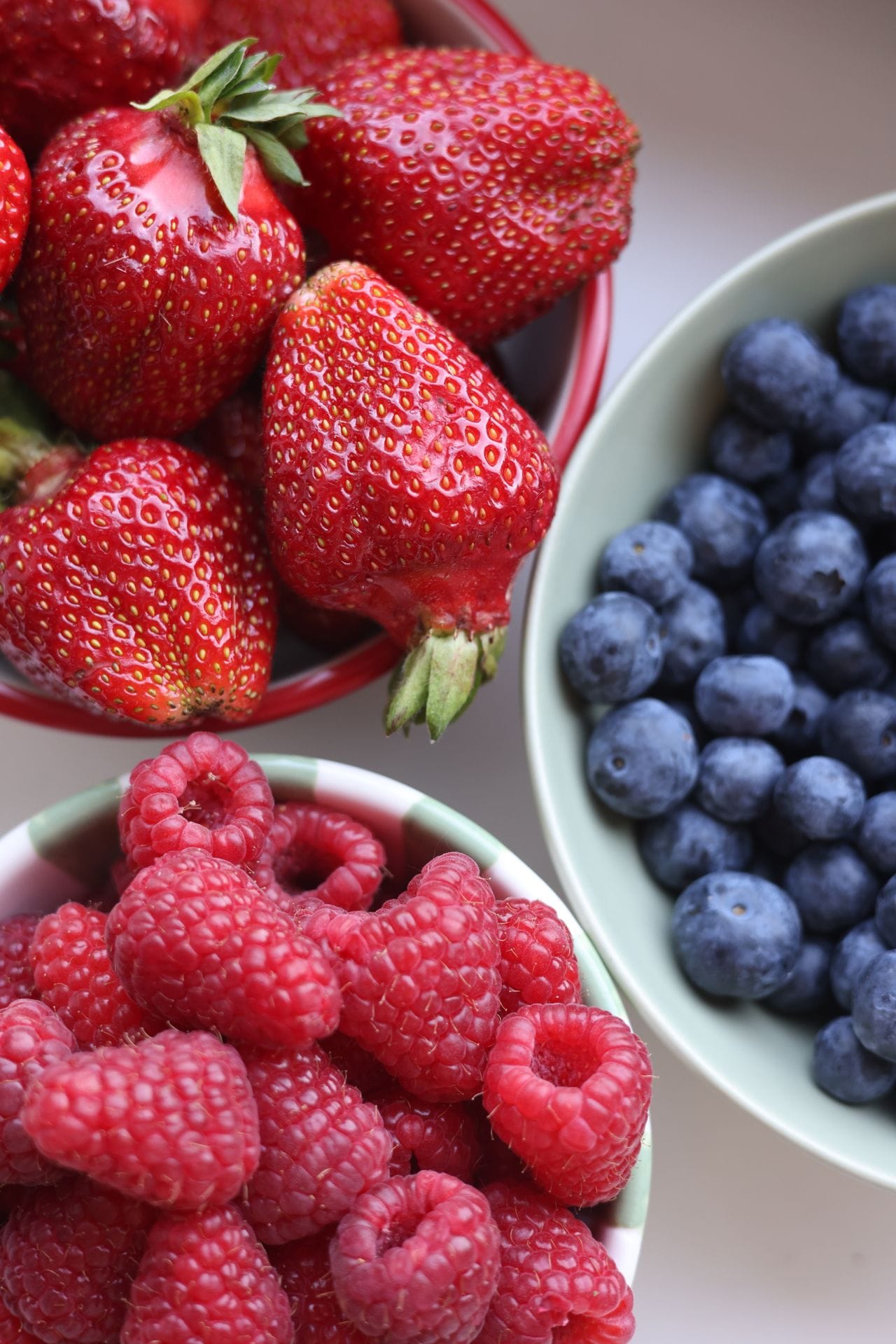
June: Summer Fruit Baking
Summer brings its own kind of kitchen inspiration: colorful berries, juicy peaches, and fruit that practically begs to become part of something delicious.
If your family has a little more flexibility in its summer schedule, this can be a fun time to experiment with new recipes or let children take the lead on a familiar favorite.
A few recipes to try:
-Blueberry muffins
-Peach cobbler
-Strawberry shortcake
-Raspberry oat bars
-Cherry crumble
Little ways to bring learning into the kitchen
-Play with real-world math-Double a muffin recipe for a gathering or halve one when you need fewer servings.
-Make predictions-Ask your children to estimate how many berries might fit in a measuring cup before measuring them.
-Observe changes-Notice how fruit softens and releases juice during baking. What does it look like before it goes into the oven? What changes afterward?
Try this: Choose a recipe that works with fresh or frozen berries and compare the results. Talk about any differences you notice in color, moisture, or texture.
And if the kitchen gets a little sticky along the way, consider it part of the adventure. Summer baking doesn’t need to be fancy to be fun.

July: Patriotic and Picnic Baking
July is a wonderful month for simple treats that can be enjoyed at a picnic, shared with family, or brought along to a summer gathering.
You can choose a festive recipe, explore a favorite family tradition, or use the month as an opportunity to learn about food from different places and cultures.
A few recipes to try:
-Red, white, and blue berry muffins
-Star-shaped sugar cookies
-Lemon bars
-Homemade cornbread
-Simple picnic cupcakes
Little ways to bring learning into the kitchen
-Explore shapes-Use cookie cutters to identify shapes and compare their sizes. Older children can explore area, symmetry, or patterns.
-Practice budgeting-Plan a simple treat for a picnic and estimate how much the ingredients will cost.
-Build planning skills-Work backward from the time you want to leave and decide when each step needs to happen.
Try this: Plan a mini picnic baking project. Let your children choose a recipe, make a supply list, figure out how many servings you’ll need, and help prepare the finished treat.
You might even let them take charge of a few decisions. Giving children a meaningful role can make an ordinary afternoon feel like a special project.
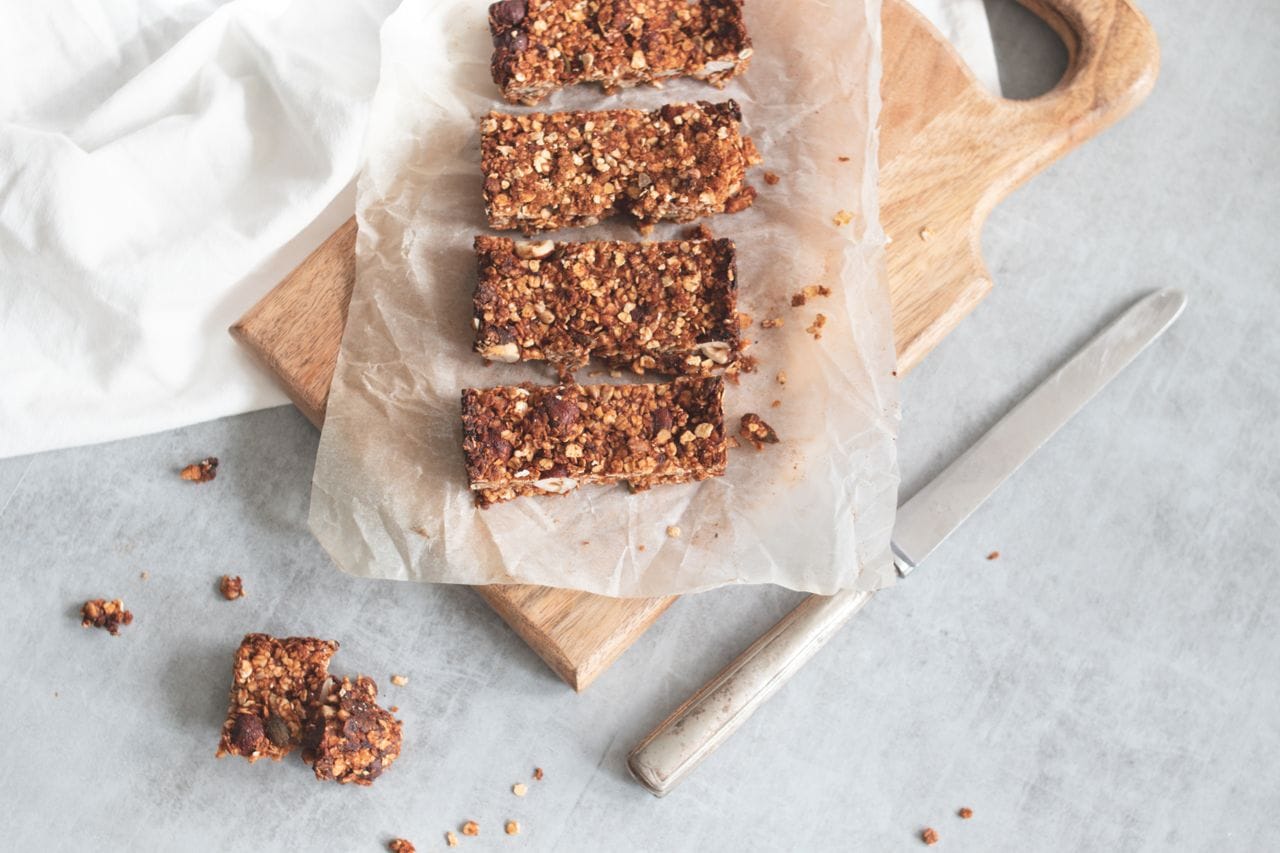
August: Back-to-School Baking
As a new homeschool year approaches, August can bring a mix of excitement, anticipation, and a growing list of things to prepare.
Baking can be a gentle way to ease into a new routine. It gives children opportunities to practice familiar skills, build independence, and help prepare simple foods for the days ahead.
A few recipes to try:
-Banana muffins
-Homemade granola bars
-Breakfast biscuits
-Zucchini bread
-Whole-grain quick bread
Little ways to bring learning into the kitchen
-Practice practical math-Work out how many muffins you might need for several breakfasts or calculate the ingredients for more than one batch.
-Follow a recipe from beginning to end-Invite your children to read each step and check off tasks as they go.
-Explore ingredients-Compare recipes and discuss the roles that fruits, grains, fats, and sweeteners play in different baked goods.
-Grow independence-Let children practice making a familiar recipe with an appropriate level of supervision.
Try this: Choose one or two easy recipes to prepare before your homeschool routine gets busy. Work together to make a shopping list, bake your treats, and store them safely. You can also start a list of recipes your children would like to learn to make more independently this year.
There’s no need to prepare a freezer full of homemade snacks unless that genuinely helps your family. Even one simple baking project can be a lovely way to begin the season with a little confidence and connection.
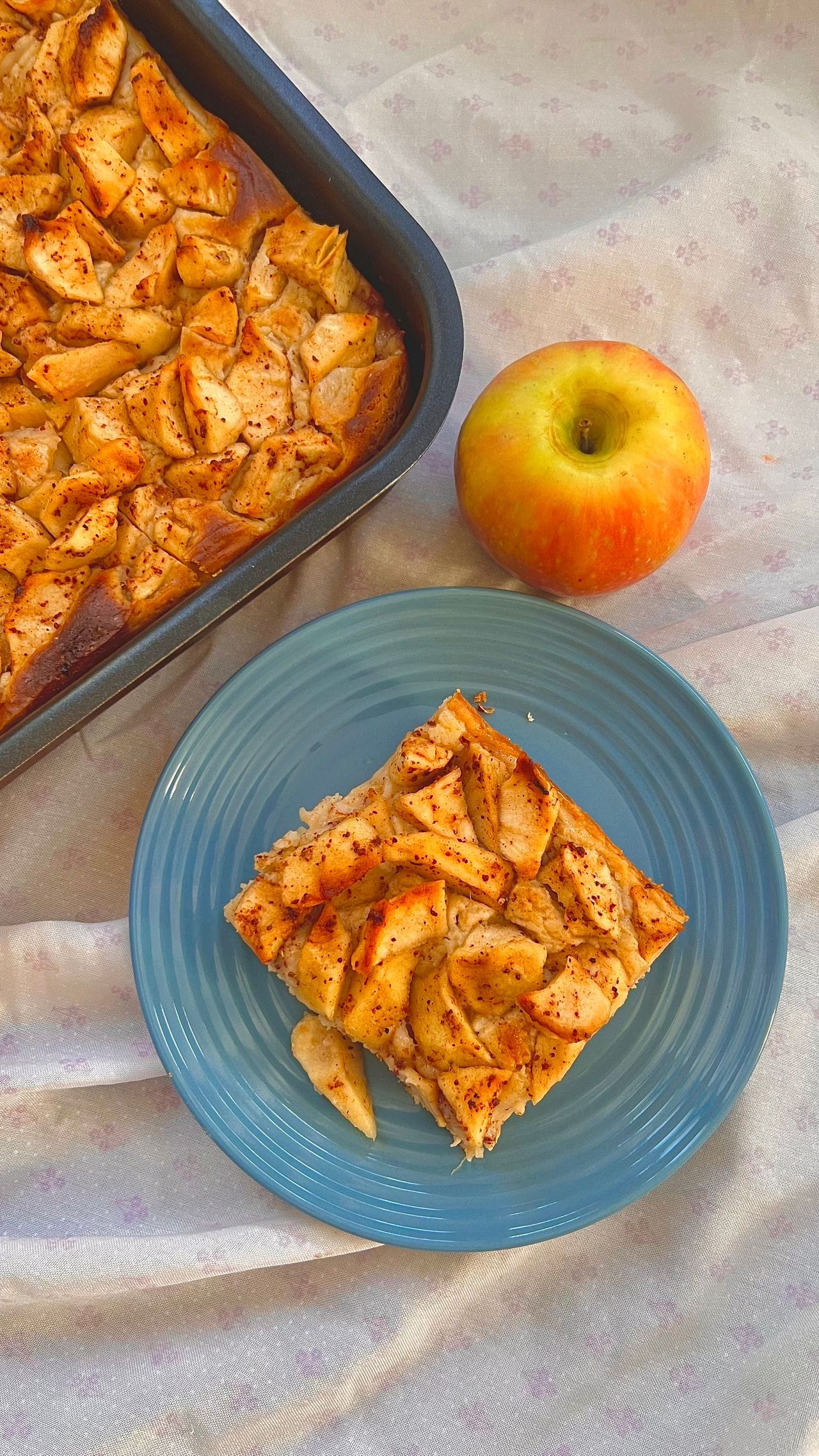
September: Apple and Harvest Baking
September brings the familiar sights and flavors of harvest season. Apples appear in all sorts of delicious forms, and there are so many ways to connect baking with nature study, geography, history, and everyday math.
A few recipes to try:
-Apple muffins
-Apple crisp
-Cinnamon apple bread
-Pear scones
-Oatmeal breakfast cookies
Little ways to bring learning into the kitchen
-Explore fractions-Divide apples into equal pieces or measure ingredients for a crumble topping.
-Discover the harvest-Learn how apples grow, when they’re harvested, and how farmers store them.
-Compare and observe-Look at different apple varieties. How do their colors, textures, and flavors compare?
-Connect with history and geography-Research a traditional harvest recipe or learn about crops grown in your region.
Try this: Choose two varieties of apples and compare them in a baked recipe. Before you begin, ask your children to predict which might taste sweeter or hold its shape better. After baking, talk about what you noticed.
It’s a simple activity, but it gives children a chance to make predictions, gather observations, and see how ingredients can influence the result.
October: Pumpkin, Spices, and Fall Favorites
October brings plenty of inspiration for cozy baking projects. Pumpkin, apples, cinnamon, and other warm spices make familiar recipes feel especially inviting.
And of course, there’s no rule that says everything needs to be pumpkin-flavored!
A few recipes to try:
-Pumpkin muffins
-Cinnamon rolls -Apple cinnamon scones
-Pumpkin bread
Little ways to bring learning into the kitchen
-Explore with your senses-Compare the smells, colors, and textures of cinnamon, ginger, and nutmeg. Which flavors might work well together?
-Practice careful measuring-Let children measure spices and talk about how a small amount can make a noticeable difference in a recipe.
-Learn about pumpkins-Explore how pumpkins grow, how their seeds develop, and how pumpkins are used in different foods.
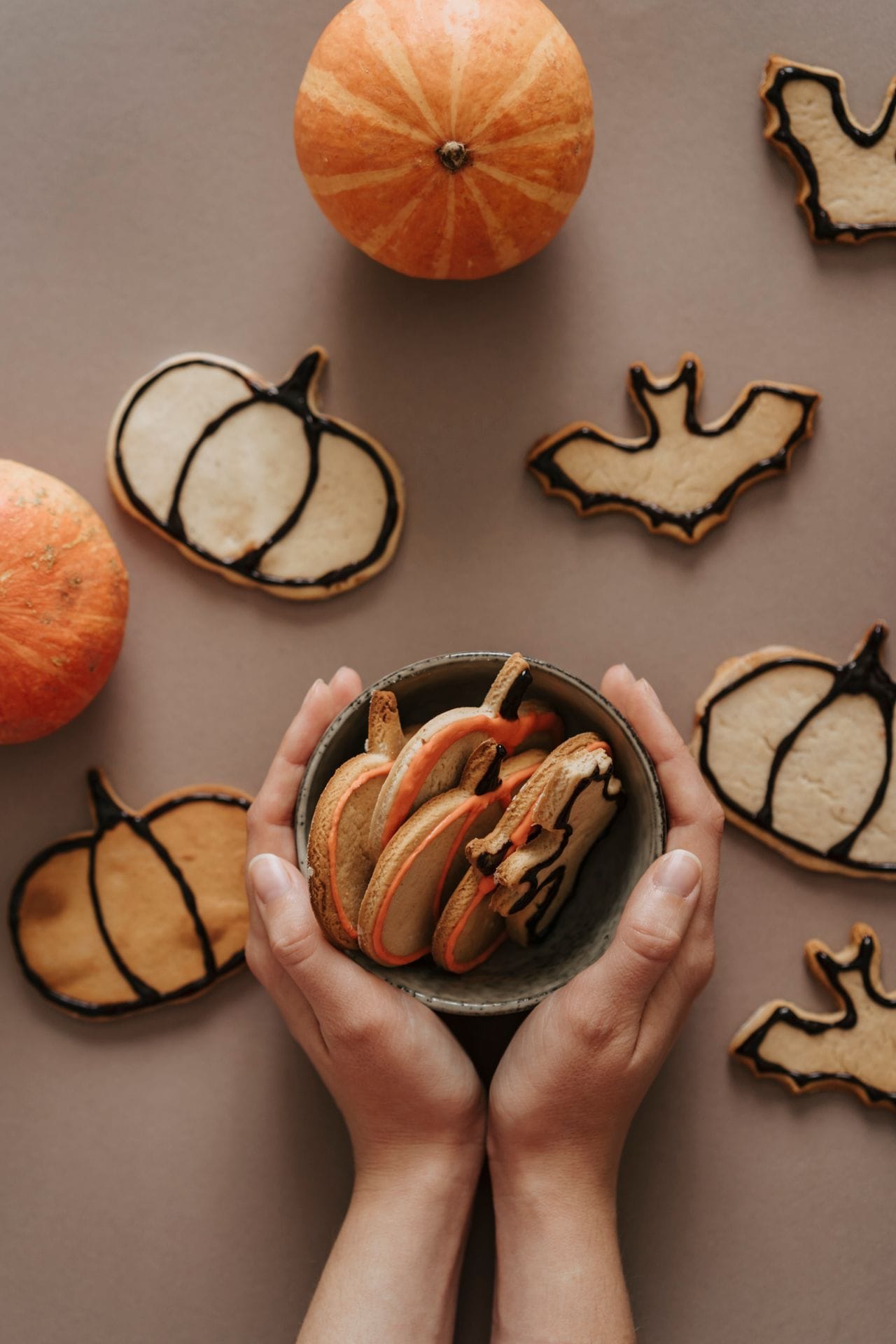
-Make room for creativity-Invite children to decorate seasonal cookies or invent a name for their own fall-inspired treat.
Try this: Set out small amounts of a few familiar spices and invite your children to describe what they notice. Then choose a recipe that uses one or more of them. Older children can research where the spices come from and how they reach our kitchens.
Sometimes a simple smell or taste can spark a whole new line of questions. Follow that curiosity when you can!
November: Baking and Gratitude
November offers an opportunity to slow down, explore food traditions, and think about the many people and processes that help bring food to our tables.
Baking can be a natural starting point for conversations about gratitude, generosity, and the work that goes into preparing a meal.
A few recipes to try:
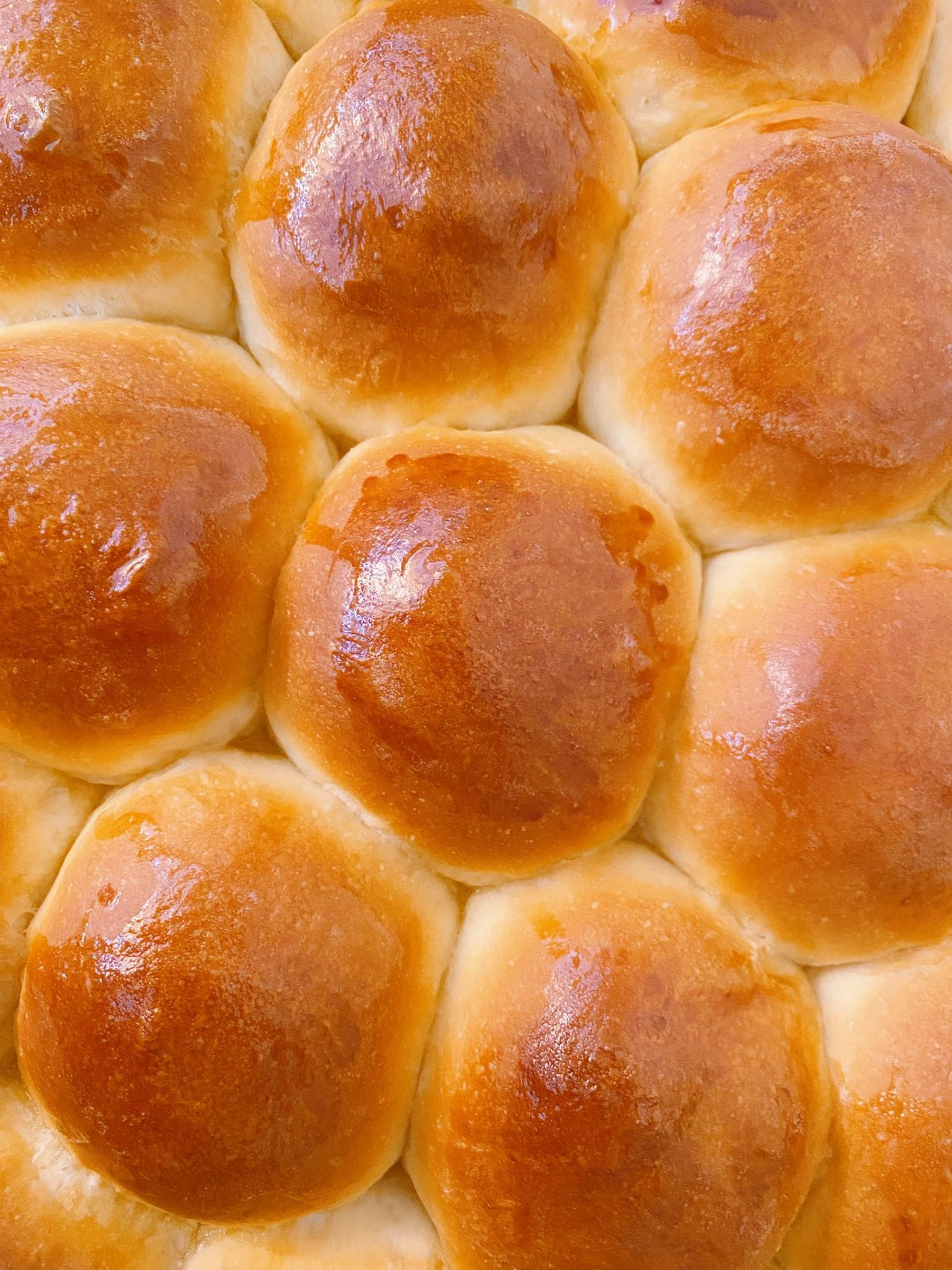
-Dinner rolls
-Pumpkin pie
-Apple pie
-Cornbread
-Cranberry-orange muffins
Little ways to bring learning into the kitchen
-Practice real-world math-Measure ingredients for rolls or compare the proportions of ingredients in two recipes.
-Explore food traditions-Learn about the history of a familiar baked good and how recipes can change over time.
-Work together-Give each child an age-appropriate role in preparing a recipe, from gathering supplies to helping clean up.
-Create a family recipe card- Invite children to write down the ingredients and steps for a favorite treat, adding a drawing or a note about why your family enjoys it.
Try this: Choose a recipe connected to your family, community, or a tradition you’d like to explore. Talk about where it came from, who might enjoy it, and what makes it meaningful.
You could even begin a small family recipe collection, adding a new recipe whenever you find one worth keeping. Over time, it can become a useful kitchen resource and a lovely record of the foods your family enjoys.
December: Holiday Baking and Family Traditions
December is full of opportunities to bake, create, and explore the traditions that make this time of year meaningful to your family.
Maybe you’ll make gingerbread cookies, try a recipe from another country, or prepare a familiar treat to share with someone you love. Your plans don’t have to be elaborate. A simple recipe can offer plenty of room for learning and connection.
A few recipes to try:
-Gingerbread cookies
-Shortbread
-Sugar cookies
-Cinnamon bread
-Traditional holiday breads or pastries
Little ways to bring learning into the kitchen
-Explore culture and geography-Learn about a baked good associated with a particular country, region, or holiday tradition.
-Practice planning and sequencing-Organize a multi-step recipe and decide which tasks can be completed ahead of time.
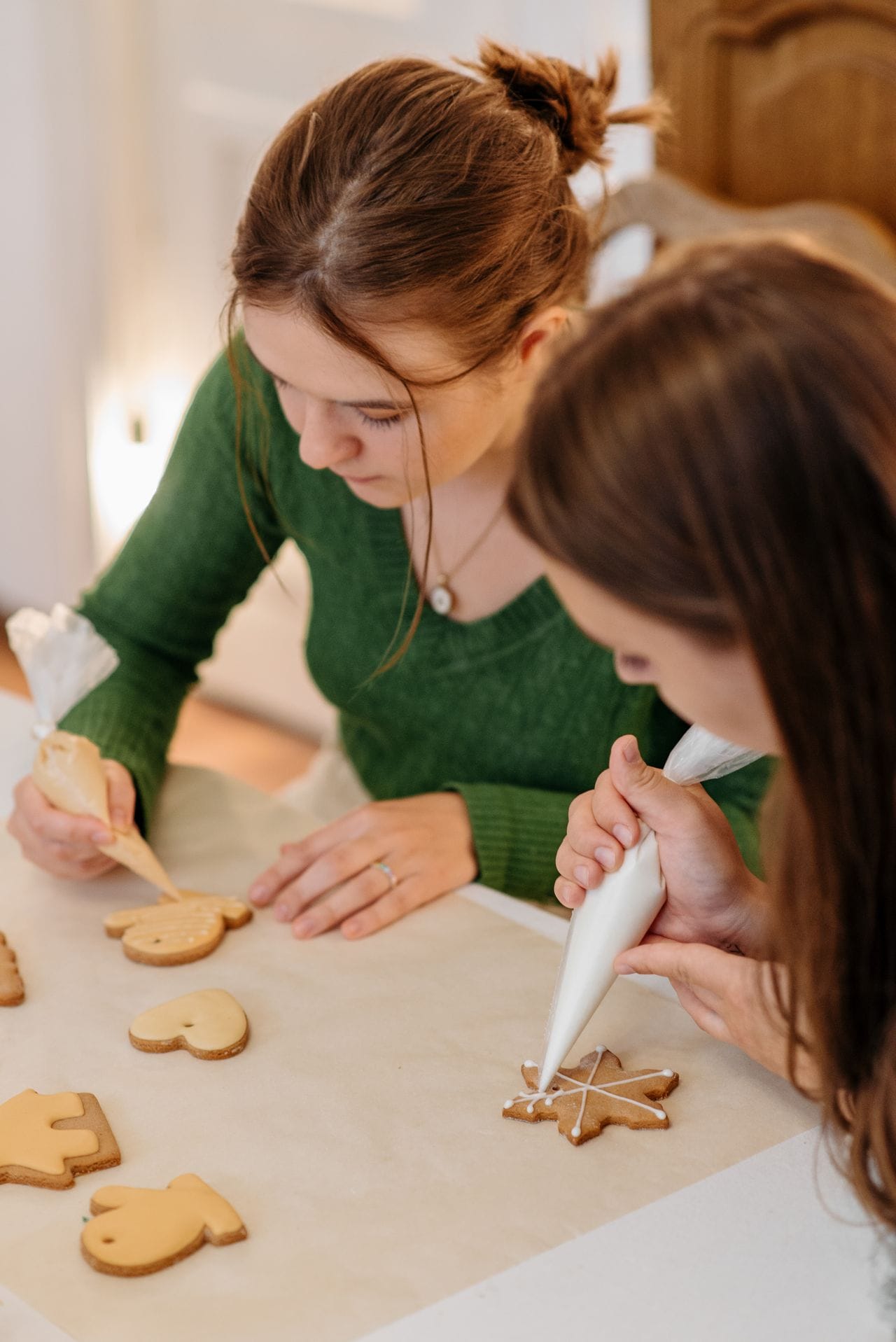
-Create patterns and designs-Use icing, sprinkles, or cookie cutters to explore shapes, symmetry, and repeating patterns.
-Use everyday math-Calculate how many treats you’ll need for a gathering or adjust a recipe to make a smaller batch.
-Try this: Choose a recipe from a culture or region you’d like to learn more about. Explore its background, prepare it together, and talk about how food connects people to their history, celebrations, and traditions.
And remember, holiday baking doesn’t have to look a certain way. You can bake one batch of cookies, decorate them simply, or skip the elaborate projects altogether. What matters is choosing something that fits your family and leaves room to enjoy the experience.
Making Homeschool Baking Work for Your Family
By now, you may have a list of recipes you’d love to try. Or perhaps one simple idea has already caught your attention.
Wherever you are, start there.
You don’t need to turn baking into a formal curriculum or plan an activity for every month. One of the loveliest things about baking is how easily it can fit into everyday life.
Here are a few ways to keep it simple:
Start With What You Already Know
You don’t need to master a complicated recipe to create a meaningful learning opportunity.
Start with muffins, cookies, quick breads, or another familiar favorite. As your children become more comfortable, you can introduce new techniques and recipes at a pace that feels right.
Choose Just One Learning Connection
It can be tempting to turn every recipe into a full unit study. But you don’t have to cover math, science, reading, history, and life skills every time you bake.
Choose one connection that feels natural. Maybe you’ll practice fractions while measuring ingredients, talk about yeast while making bread, or simply help your child learn to follow a recipe.
And sometimes, baking can just be baking.
Let Children Have a Real Role
Children often gain confidence when they have a meaningful part to play.
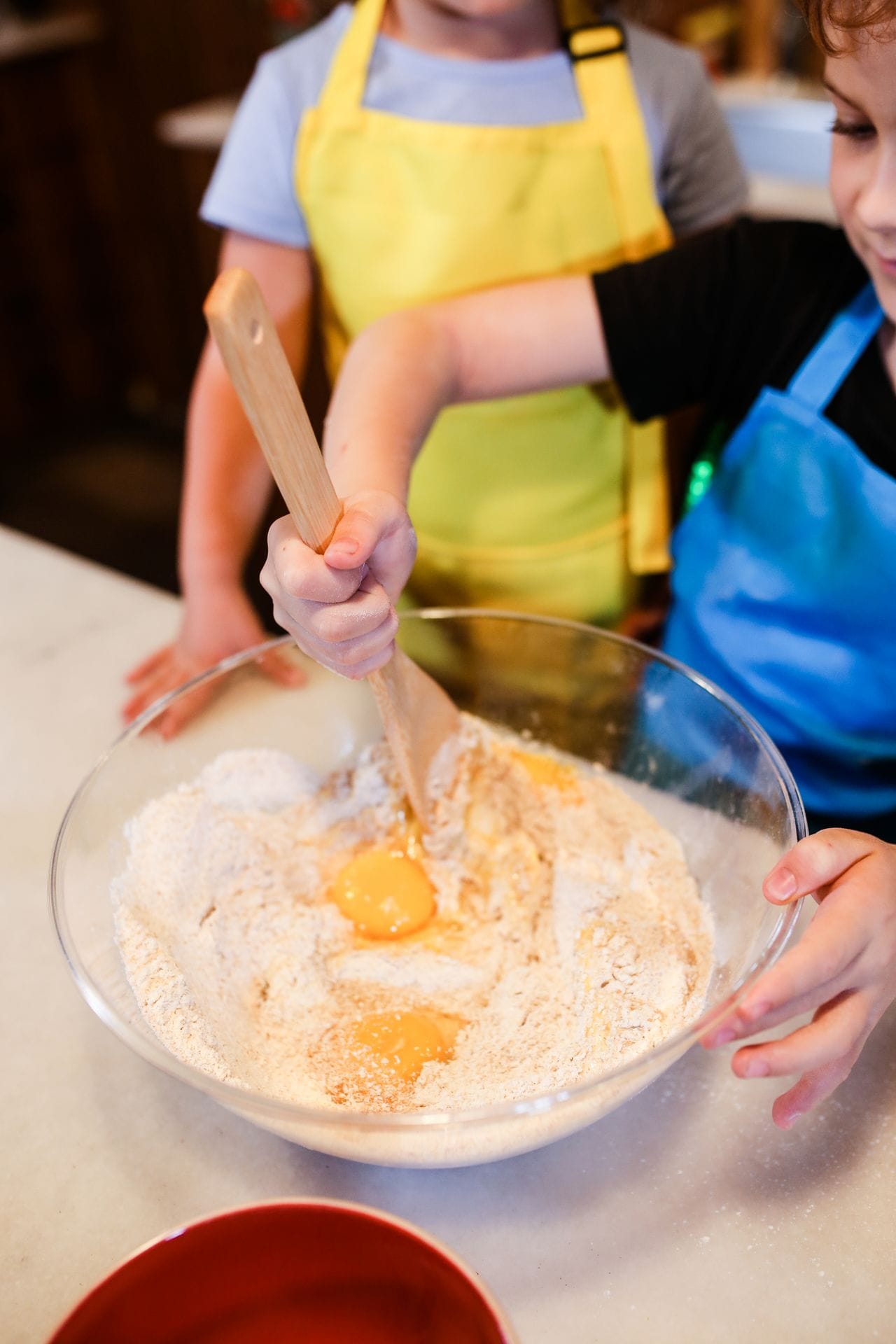
Depending on their age and abilities, they might gather ingredients, measure flour, read directions, set a timer, or help clean up.
They may need guidance, and things might take a little longer. That’s okay. The goal is to help them learn and participate—not to get everything done as quickly as possible.
Follow Your Family’s Rhythm
You don’t have to bake every week—or even every month—to enjoy the benefits.
Maybe you’ll choose one baking project each month. Maybe you’ll bake together on a quiet Friday afternoon or try something new when the seasons change.
Find a rhythm that works for your family, and give yourself permission to change it when life gets busy.
Keep a List of Favorite Recipes
When you find a recipe that works well for your family, save it!
You might organize your recipes by season, ingredient, difficulty, or the skills they help children practice. A small collection of reliable favorites can make it easier to find inspiration when you have time to bake.
You can also invite your children to contribute ideas. They might choose a recipe they’d like to learn, write a review of something you made, or create a recipe card of their own.
Let Go of Perfect
The kitchen may get messy. A batch of muffins may not rise as expected. Younger children may lose interest before the recipe is finished.
That’s okay.
Baking gives children opportunities to practice patience, solve problems, try again, and learn from mistakes. The finished product doesn’t have to be perfect for the experience to be worthwhile.
And neither do you.
You don’t need to create picture-perfect homeschool days to give your children meaningful opportunities to learn. Sometimes the simple things really are enough.
A Little More Magic in Your Homeschool
Baking offers so many opportunities to bring learning into everyday life. It can help children develop practical skills, explore academic concepts, discover new interests, and grow in confidence.
But perhaps one of its loveliest gifts is the way it invites us to slow down.
To notice a question our child asks while measuring flour. To watch their face when they see bread dough rise. To let them take ownership of a recipe they’re learning to make. To share something warm from the oven and enjoy the simple satisfaction of having made it together.
These moments don’t have to be extraordinary to matter.
You can start with one simple recipe, choose a seasonal ingredient, or invite your children to help prepare something your family already enjoys. Along the way, look for little opportunities to ask questions, make observations, practice skills, and encourage curiosity.
And remember: this guide is here to inspire you, not give you twelve more things to add to your homeschool to-do list.
Choose a few ideas that excite your family. Skip the ones that don’t fit your season of life. Come back when you need fresh inspiration.
Little by little, baking can become a meaningful part of your homeschool rhythm—one that combines practical learning with creativity, connection, and the simple joy of making something together.
Want to help your children grow in their kitchen confidence? Start by choosing one baking skill they’re ready to practice, whether that’s measuring ingredients, following recipe steps, or helping plan a baking project. Small steps can make a big difference over time.
At The Lively Bean, we believe learning can happen in the middle of everyday life—and sometimes, it begins with a mixing bowl, a favorite recipe, and a little curiosity.
Here’s to a homeschool year filled with hands-on learning, growing confidence, and plenty of delicious discoveries!