Balancing Homeschool and Holiday Prep Without Losing Your Mind

The holiday season has a way of filling up the calendar before we even realize it. Between shopping lists, decorating, baking, meal planning, family gatherings, and all the little details that come with the holidays, there’s suddenly a lot more to manage.
And if you’re homeschooling, there’s another important part of everyday life to consider: keeping lessons, activities, and household routines moving along.
For many homeschool moms, November and December can feel like a juggling act. You want to make time for special holiday activities and family traditions, but you also want to maintain some consistency with homeschooling. Meanwhile, the regular responsibilities of running a household haven’t disappeared.
The good news? You don’t have to do everything at once, and your homeschool doesn’t have to follow its usual schedule for the holidays to be meaningful and productive.
With a few intentional adjustments, you can balance homeschool and holiday preparations without letting your to-do list take over the season.
Here are some practical ways to make the most of the holidays while keeping your homeschool and family life manageable.

- Start With a Realistic Holiday and Homeschool Plan
Before adding more activities to your calendar, take a little time to look at what’s already coming up.
What schoolwork needs to be completed before the holidays? Are there family gatherings, appointments, or special events on the calendar? What holiday preparations need to happen at home?
Instead of trying to squeeze everything into your regular routine, look at the bigger picture.
Start by making two simple lists:
-Homeschool priorities:
-Lessons or subjects that need consistent attention
-Projects or assignments that need to be completed
-Activities you want to include before the holiday break
-Subjects that can be simplified or temporarily adjusted
-Holiday priorities:
-Shopping and gift preparation
-Holiday decorating
-Baking and meal planning
-Family gatherings and activities
-Travel or hosting preparations
Once you have everything written down, you can begin assigning tasks to specific days or weeks.
This makes it easier to see where your time is going and helps prevent every task from feeling equally urgent.
Remember, a realistic plan is much more useful than an ambitious one that leaves everyone overwhelmed.

- Adjust Your Homeschool Schedule for the Season
One of the benefits of homeschooling is having the flexibility to adjust your schedule when family life gets busy.
The holiday season is a great opportunity to take advantage of that flexibility.
If your regular homeschool schedule feels too demanding, consider temporarily simplifying it.
For example, you might:
-Focus on core subjects such as reading, writing, and math
-Shorten lessons when appropriate
-Combine subjects through seasonal projects
-Move independent work to times when you need to focus on household preparations
-Schedule a lighter homeschool week before major holiday events
You don’t necessarily need to stop homeschooling altogether to make room for holiday preparations.
Sometimes, a slightly different schedule is all it takes to make the season more manageable.
The goal is to maintain a rhythm that works for your family without expecting every day to look exactly the same.
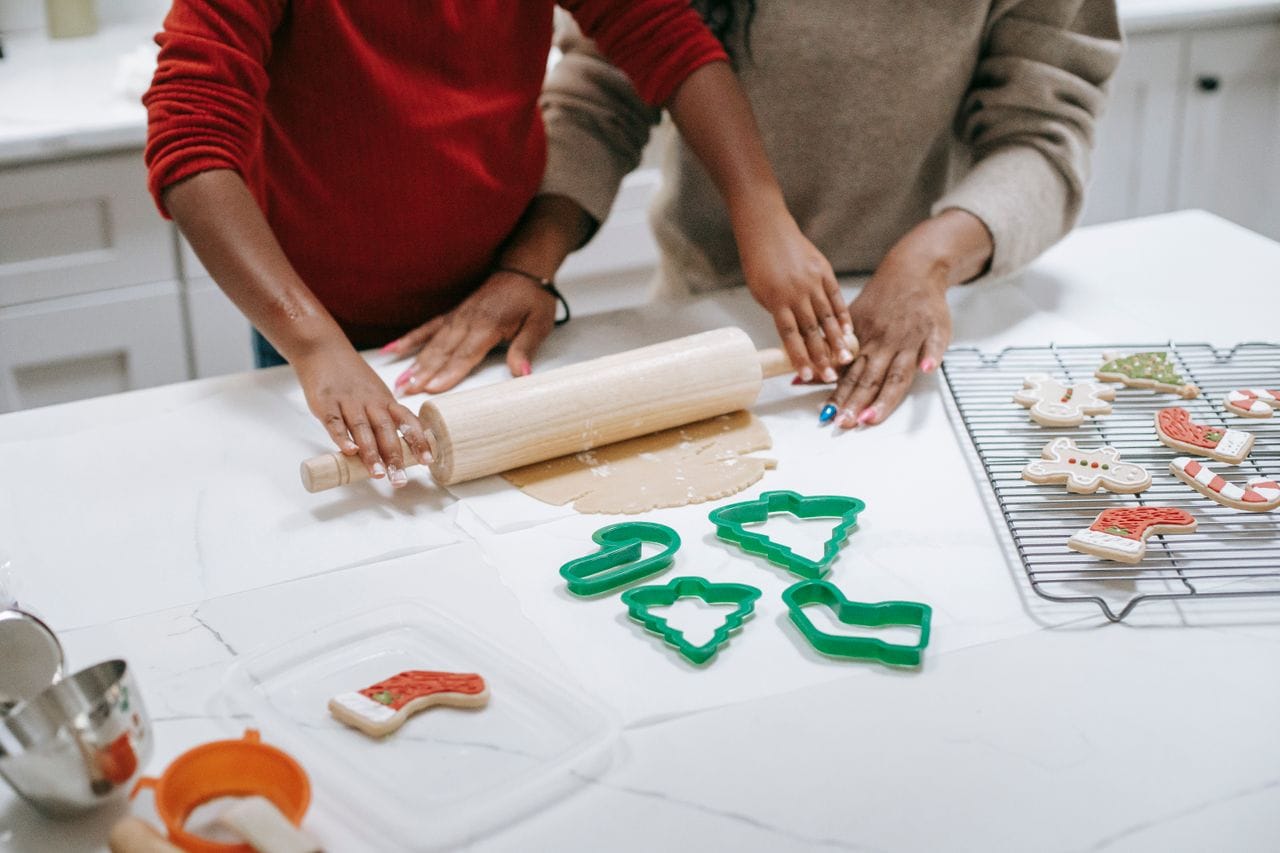
- Bring Holiday Activities Into Your Homeschool
Holiday preparations can become learning opportunities without requiring you to create an entirely separate lesson plan.
In fact, some of the most practical learning opportunities happen during everyday family activities.
Consider incorporating a few of these ideas:
-Holiday baking: Practice measuring, fractions, following directions, reading comprehension, and kitchen safety.
-Gift budgeting: Introduce money management, addition, subtraction, and budgeting skills.
-Holiday shopping: Discuss comparing prices, making decisions, and understanding discounts.
-Decorating: Explore measurement, patterns, geometry, color theory, and design.
-Holiday traditions: Research the history of different celebrations, explore geography, or learn about traditions around the world.
These activities don’t need to replace every regular lesson. They simply offer opportunities to connect learning with what’s already happening around the house.
And the best part? You can make progress on holiday preparations while giving your children opportunities to practice useful life skills.

- Create a Holiday Prep Checklist
It’s easy to underestimate how many little tasks go into preparing for the holidays.
From purchasing gifts and organizing decorations to planning meals and preparing for visitors, those small responsibilities can quickly add up.
Rather than trying to remember everything, create a holiday preparation checklist.
Break your list into manageable categories, such as:
-Gifts and Shopping
-Decorations
-Baking and Cooking
-Cleaning and Organizing
-Family Activities
-Travel and gatherings
-Holiday cards and Correspondence
Then, assign tasks to different weeks instead of trying to complete everything in the final few days.
For example:
Early November: Make gift lists, establish a holiday budget, and plan upcoming events.
Mid-November: Begin shopping, organize decorations, and plan holiday meals.
Late November: Start baking projects, prepare guest spaces, and finalize gathering details.
Early December: Finish shopping, wrap gifts, and complete remaining preparations.
Final week before the holiday: Focus on food preparation, family activities, and enjoying the season.
Your timeline may look completely different depending on your family’s traditions and commitments. The important thing is to spread out the work wherever possible.

- Give Everyone a Role in Holiday Preparations
Holiday preparations don’t have to fall entirely on Mom.
Involving children in age-appropriate household responsibilities is a practical way to lighten your workload while helping them develop valuable life skills.
Depending on their ages and abilities, children can help with:
-Sorting and organizing decorations
-Wrapping simple gifts
-Making shopping lists
-Preparing ingredients for holiday recipes
-Setting the table
-Folding napkins
-Tidying shared spaces
-Helping plan family activities
You can even turn some of these responsibilities into opportunities for learning.
Younger children might practice counting ornaments or sorting decorations by color, while older children can help compare prices, plan a menu, or calculate ingredient quantities.
Not every task will be completed as quickly when children are involved, but the experience can help them develop independence and confidence.
It also gives everyone a sense of contribution to the family’s holiday preparations.

- Use Simple Systems to Stay Organized
When homeschool responsibilities and holiday preparations overlap, having a few simple organizational systems can make a big difference.
You don’t need an elaborate planner or complicated scheduling system. You just need a reliable place to keep track of the information that matters.
Consider using:
-A weekly planning page: Keep track of homeschool priorities, appointments, and important household tasks in one place.
-A holiday shopping list: Record gift ideas, purchases, and remaining items so you’re not repeatedly trying to remember what you’ve already bought.
-A meal planning system: Plan holiday meals, regular dinners, and baking projects ahead of time.
-A family calendar: Keep track of gatherings, activities, deadlines, and important dates.
-A running to-do list: Write down tasks as they come up instead of trying to keep everything in your head.
The key is to keep your systems simple enough that you’ll actually use them.
When information has a designated place, you’re less likely to spend valuable time searching for lists, forgetting appointments, or trying to remember what needs to happen next.
- Plan for Easier Meals During Busy Weeks
One area that can become particularly challenging during the holiday season is meal planning.
Between baking projects, special holiday meals, shopping trips, and regular homeschool days, figuring out what’s for dinner can become another daily decision.
A little preparation can make this much easier.
Try these ideas:
-Plan a few simple dinners that can be repeated throughout the season.
-Double recipes when preparing meals that freeze well.
-Keep ingredients for quick breakfasts and lunches available.
-Assign family members a night to help prepare dinner.
-Plan leftovers into your weekly menu.
-Make a list of easy meals for especially busy days.
You don’t need an elaborate meal plan to make this work.
Even knowing what you’re having for dinner each night can eliminate one more decision from an already full day.

- Decide What Can Wait Until After the Holidays
This might be one of the most important steps in managing the holiday season.
Not every household project, homeschool activity, or organizational task needs to be completed before the holidays arrive.
Take a look at your current to-do list and ask yourself:
-Does this actually need to happen before the holidays?
-Is this something my family will notice if it gets postponed?
-Am I doing this because it’s important or because I feel like I should?
-Would completing this task make the season easier, or simply add more work?
You might discover that some things can wait.
Perhaps it’s not the best time to reorganize the entire homeschool room, tackle a major household project, or introduce a new homeschool routine.
Give yourself permission to move non-essential tasks to January.
A shorter, more intentional to-do list can make a significant difference in how manageable the season feels.

- Make Room for the Things You Actually Want to Enjoy
It’s easy to become so focused on preparing for the holidays that you spend the entire season working toward the next event.
Before you know it, the shopping is finished, the meals are prepared, the house is decorated, and the holiday itself has arrived.
That’s why it’s worth intentionally making room for the activities and traditions your family looks forward to.
Maybe that’s baking cookies together, visiting a local Christmas display, reading holiday books, decorating the tree, or enjoying a family movie night.
Choose a few activities that matter most to your family and put them on the calendar.
You don’t need to fill every afternoon with a special activity or create an elaborate holiday bucket list.
Sometimes, a few well-chosen traditions are more than enough.
The goal isn’t to create a picture-perfect holiday season. It’s to make room for the experiences your family will remember and enjoy.
A More Manageable Holiday Season Starts With a Simpler Plan
Balancing homeschooling and holiday preparations doesn’t mean finding a way to do everything. It means deciding what matters most, making a realistic plan, and giving yourself flexibility when things don’t go exactly as expected.
Your homeschool may look a little different during November and December. Your regular routines may shift, some lessons may be shortened, and a few household tasks may need to wait.
That’s okay.
With a little organization, some help from the family, and realistic expectations, you can keep homeschooling moving while making time for the preparations and traditions that make the holidays special.
And remember: the goal isn’t to finish the season with a perfect house, a completed homeschool checklist, and every holiday task crossed off.
It’s to create a season that works for your family.
Looking for more practical ways to simplify homeschool and family life? Explore more planning and organization ideas from The Lively Bean to help lighten your mental load and make the everyday responsibilities of homeschooling a little easier.