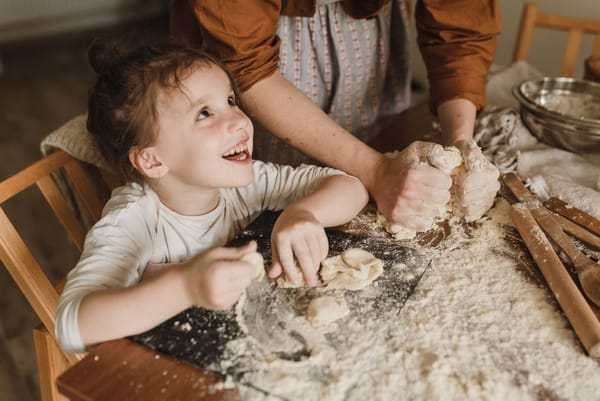
Homeschool Moms: How to Create a Holiday Baking Plan So That It Actually Happens
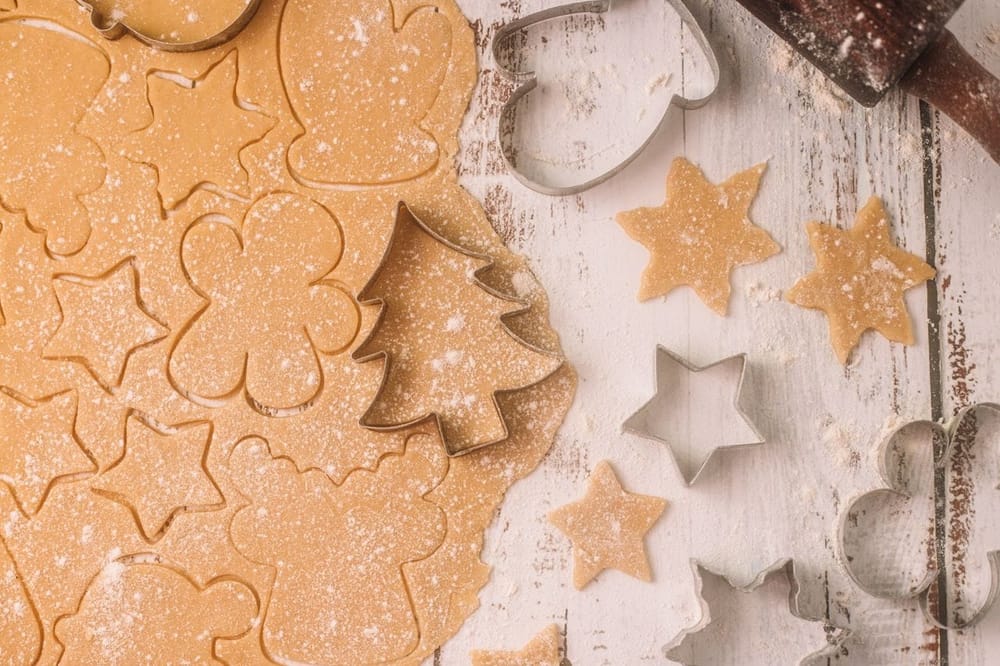
The holiday season is almost here, and if your family loves spending time in the kitchen, you may already be dreaming about Christmas cookies, homemade breads, festive treats, and all those special recipes that seem to make this time of year feel a little more memorable.
But let’s be honest. Between homeschooling, everyday household responsibilities, holiday shopping, family gatherings, and everything else November and December bring, finding time for holiday baking can feel like a a huge challenge.
You have the recipes saved. You have good intentions. Maybe you’ve even promised the kids that you’ll make gingerbread houses or spend an afternoon decorating Christmas cookies.
And then December arrives.
Suddenly, the calendar is full, the grocery list is growing, and those wonderful baking plans are still sitting somewhere on your Pinterest boards.
Sound familiar?
The good news is that you don’t need an entire month of free afternoons or an elaborate holiday baking schedule to make baking part of your family’s Christmas traditions. What you do need is a simple plan that works alongside your homeschooling schedule and everyday family life.
With a little preparation, you can decide what to bake, organize your recipes and ingredients, spread activities throughout the season, and make room for everyone to participate.
Let’s walk through how to create a holiday baking plan that helps you spend less time figuring out what to do and more time enjoying the process.
- Start With a Holiday Baking Wish List
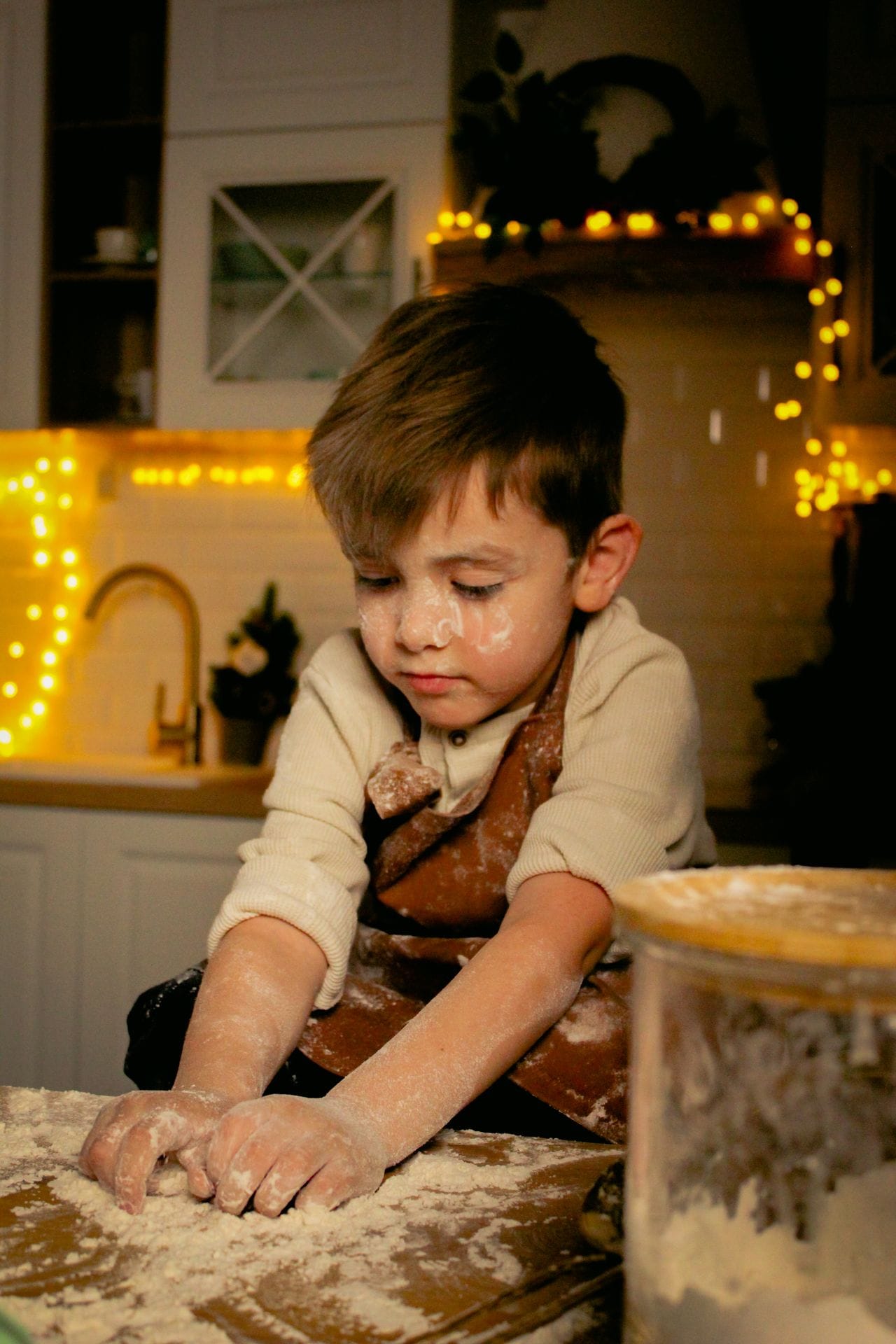
Before you start scheduling baking days or filling your grocery cart, take a few minutes to decide what your family actually wants to make this holiday season.
It’s easy to get carried away when scrolling through beautiful Christmas baking ideas. There are hundreds of recipes for decorated cookies, homemade candies, festive breads, cupcakes, pies, and elaborate desserts.
But trying to make everything you find online is a recipe for an unnecessarily busy December!
Instead, start with a holiday baking wish list.
Gather your family and talk about the things they’d most enjoy making. This is a great opportunity to include your children in the planning process and give everyone a little ownership over the activities.
Consider dividing your list into a few categories:
Family Favorites
-Traditional Christmas sugar cookies
-Gingerbread cookies
-Homemade cinnamon rolls
-Favorite holiday breads
-Family recipes passed down through generations
Fun Baking Projects
-Gingerbread houses
-Christmas-themed cupcakes
-Holiday cake pops
-Decorated cookie sandwiches
-Festive brownies or blondies
Gifts and Sharing
-Homemade fudge
-Chocolate-covered pretzels
-Cookie gift boxes
-Homemade granola
-Holiday bread loaves for friends and neighbors
Everyday Seasonal Baking
-Pumpkin bread
-Cranberry muffins
-Apple cinnamon bread
-Homemade biscuits
-Breakfast pastries
Once you’ve gathered your ideas, narrow the list down to a manageable number.
A good starting point might be:
2–3 family favorite recipes
2 fun baking projects
1–2 homemade gifts
2 simple seasonal recipes
You can always add something if you have extra time, but starting with a realistic list gives you a plan you can actually follow.
A helpful tip: Ask each child to choose one recipe they’d especially like to make. When children have a say in the plan, they’re often much more excited to participate!
- Decide What You Want Your Holiday Baking Season to Look Like
Not every family approaches holiday baking the same way.
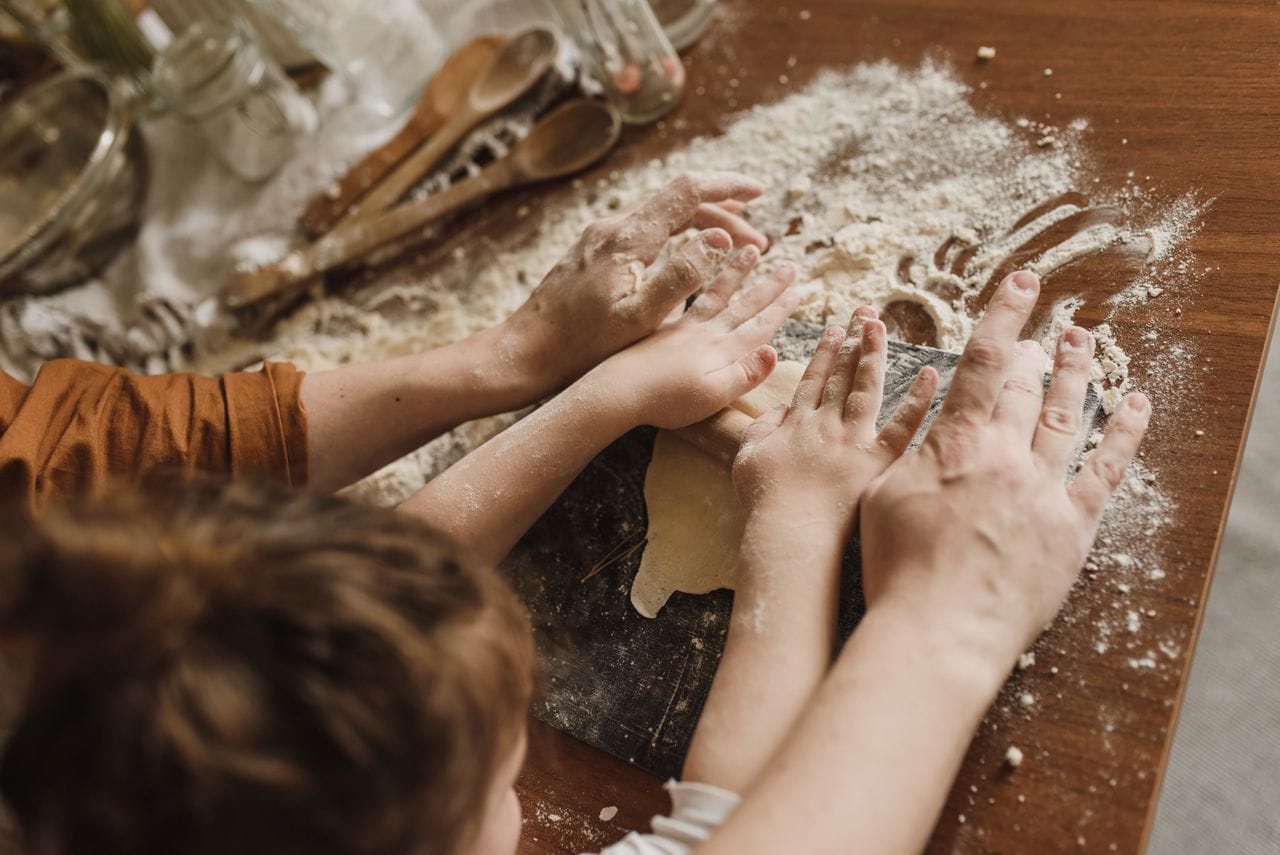
Some families love spending an entire Saturday making dozens of cookies. Others prefer baking one recipe every week. Some focus on homemade gifts, while others simply enjoy having something special to make together on a chilly afternoon.
There isn’t one right way to do it.
Before scheduling anything, think about what you want your family’s holiday baking experience to look like this year.
Ask yourself:
-How much time can we realistically dedicate to baking?
-Do we want to make homemade gifts?
-Are there traditional recipes we want to make every year?
-Would the children enjoy individual baking projects?
-Do we want to incorporate baking into our homeschool lessons?
-Are there upcoming family gatherings or parties that require baked goods?
Your answers will help determine how many recipes to include and when to make them.
Remember, the goal isn’t to fill every available afternoon with baking projects. It’s to make room for the activities your family will genuinely enjoy.

- Choose Your Holiday Baking Dates Now
This is where your holiday baking plan starts to become something real.
One of the biggest reasons holiday baking plans don’t happen is that we leave the timing undecided.
We tell ourselves we’ll make cookies sometime next week, or we’ll get around to baking gifts before Christmas. But without a specific day or time, those plans can easily get pushed aside.
Instead, look at your November and December calendars and choose your baking dates in advance.
Since we’re already in mid-November, there’s no need to start planning from scratch or create an elaborate schedule. Focus on the weeks ahead.
Here’s an example of how you might organize your holiday baking season:
Mid-November: Plan and Prepare
-Gather favorite holiday recipes
-Ask the children what they’d like to bake
-Check pantry and baking supplies
-Make a list of ingredients to purchase
-Choose your baking dates
-Make a simple shopping and preparation plan
Late November: Begin Seasonal Baking
-Make a favorite Thanksgiving or fall-inspired recipe
-Bake pumpkin bread, muffins, or another seasonal favorite
-Prepare a recipe that can be frozen for December
-Try one new holiday recipe
Early December: Start the Christmas Baking
-Make your family’s favorite Christmas cookies
-Have a cookie decorating afternoon
-Bake something special for a family breakfast
-Prepare a few treats for neighbors or friends
Mid-December: Homemade Gifts and Traditions
-Make homemade fudge or holiday candy
-Assemble cookie gift boxes
-Bake breads or treats to share
-Enjoy a gingerbread decorating activity
Christmas Week: Keep It Simple
-Make cinnamon rolls or another special Christmas breakfast
-Bake any last-minute family favorites
-Enjoy simple recipes that don’t require much preparation
-Leave plenty of room for other holiday activities
You don’t have to follow this schedule exactly. Move activities around to accommodate your family’s commitments, travel plans, and holiday celebrations.
The important thing is to give your baking activities a place on the calendar.
Remember: A simple baking plan with actual dates is much more useful than a long list of recipes you hope to make someday.
- Organize Your Recipes Before You Go Shopping
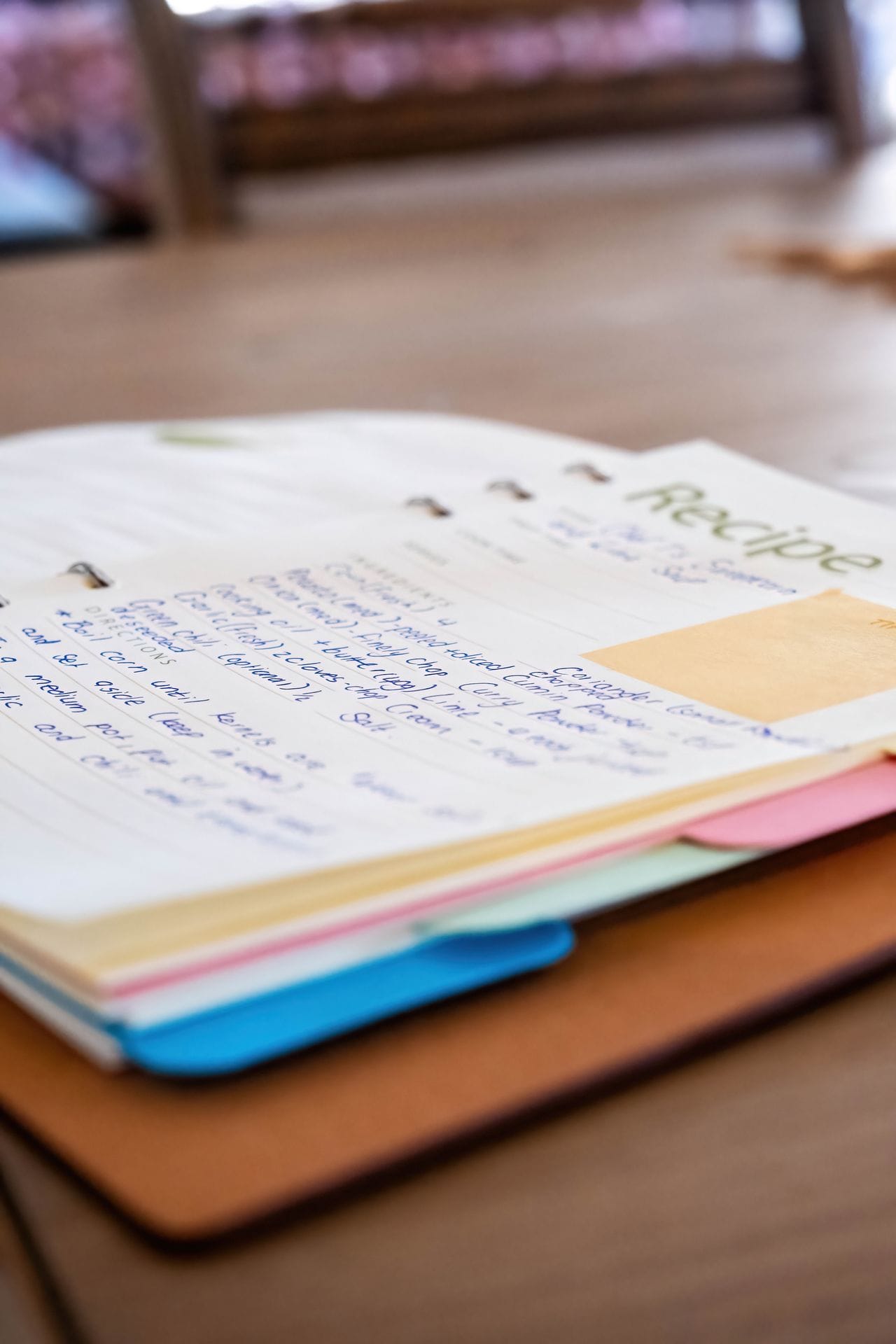
Once you’ve chosen your recipes and baking dates, it’s time to get organized.
Rather than searching through Pinterest, cookbooks, recipe cards, and saved screenshots every time you want to bake, gather everything in one convenient location.
You can use a physical recipe binder, a digital document, a notes app, or even a folder on your computer.
The best system is the one you’ll actually use.
For each recipe, make sure you have:
-Recipe name
-Ingredient list
-Baking time
-Preparation time
-Oven temperature
-Special equipment needed
-Whether the recipe can be made ahead
-Whether it freezes well
It’s also helpful to identify recipes that share ingredients.
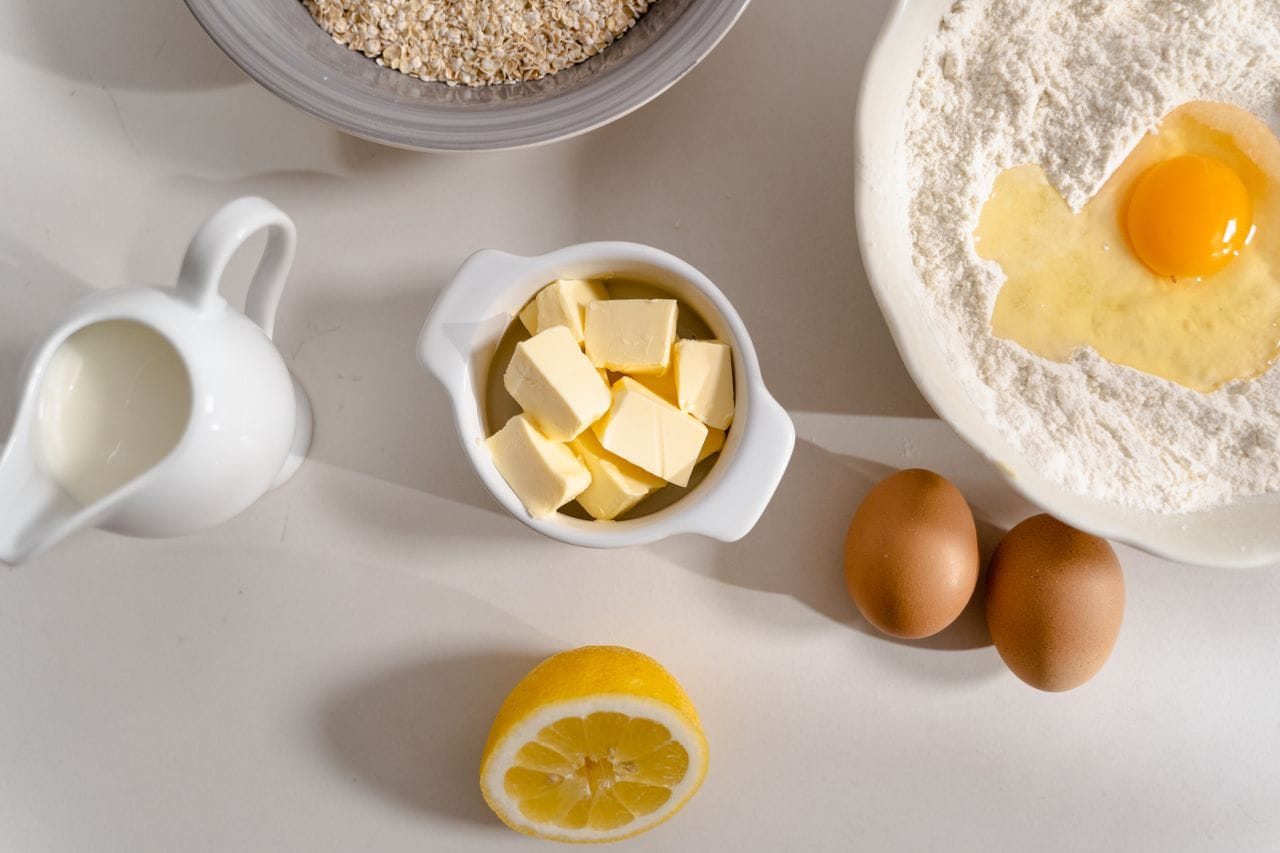
For example, several of your holiday cookie recipes might use butter, flour, brown sugar, vanilla, and eggs. Knowing this ahead of time makes grocery shopping much easier.
If you have recipes that require chilling dough overnight or allowing bread to rise, make a note of that, too. Those little details can make a big difference when you’re working around a homeschool schedule.
A little organization now can save quite a bit of time later.
- Create One Master Holiday Baking Shopping List
Now that you have your recipes organized, you can create your master shopping list.
There’s nothing quite like getting halfway through a recipe only to discover you’re out of baking powder, vanilla extract, or chocolate chips!
Instead of purchasing ingredients one recipe at a time, review all your recipes and combine the ingredients into one list.
Organize your shopping list by category to make grocery shopping easier.
Baking Essentials
-All-purpose flour/Alternative flours (if applicable)
-Granulated sugar
-Brown sugar
-Baking powder
-Baking soda
-Salt
-Cornstarch
Refrigerated Items
-Butter
-Eggs
-Milk
-Cream cheese
-Heavy cream
Flavorings and Add-Ins
-Vanilla extract
-Almond extract
-Cinnamon
-Nutmeg
-Ginger
-Chocolate chips
-Cocoa powder
-Nuts
-Dried fruit
Decorating Supplies
-Sprinkles
-Food coloring
-Frosting ingredients
-Candy decorations
-Cookie cutters
-Piping bags
Packaging and Gifts
-Treat bags
-Cookie boxes
-Ribbon
-Gift tags
-Parchment paper
Before shopping, check your pantry, refrigerator, and freezer.
You may already have more ingredients than you realize!
We also recommend dividing your shopping list into two categories:
Pantry staples: Items you can purchase in advance and store until needed.
Fresh ingredients: Items you’ll need closer to your scheduled baking dates.
This helps prevent unnecessary last-minute shopping trips during the busiest weeks of the year.

- Make a Baking Schedule That Works With Homeschooling
For homeschool moms, holiday baking doesn’t happen in isolation.
It happens alongside math lessons, reading assignments, household responsibilities, activities, appointments, and all the other moving pieces of family life.
That’s why your baking schedule needs to work with your homeschool routine rather than compete with it.
One option is to designate a specific afternoon each week for baking.
For example:
Monday: Regular homeschool day
Tuesday: Homeschool and afternoon activities
Wednesday: Baking afternoon
Thursday: Regular homeschool day
Friday: Flexible day for projects, errands, or catch-up
Your schedule might look completely different, and that’s perfectly fine.
If a dedicated baking afternoon doesn’t work for your family, consider smaller opportunities throughout the week.
You could:
-Prepare cookie dough after lunch
-Bake muffins during an afternoon break
-Make bread while children work independently
-Decorate cookies after completing schoolwork
-Let older children work on a simple recipe independently
Another helpful strategy is to pair baking with activities that are already part of your routine.
For example, if Friday is usually your lighter homeschool day, make it your holiday baking day for the season.
The key is to stop treating baking as something you’ll squeeze in whenever you find extra time.
Give it a place in your schedule, even if that place is only an hour or two every other week.
- Turn Holiday Baking Into Homeschool Learning
One of the wonderful things about baking with children is how naturally it connects to so many areas of learning.
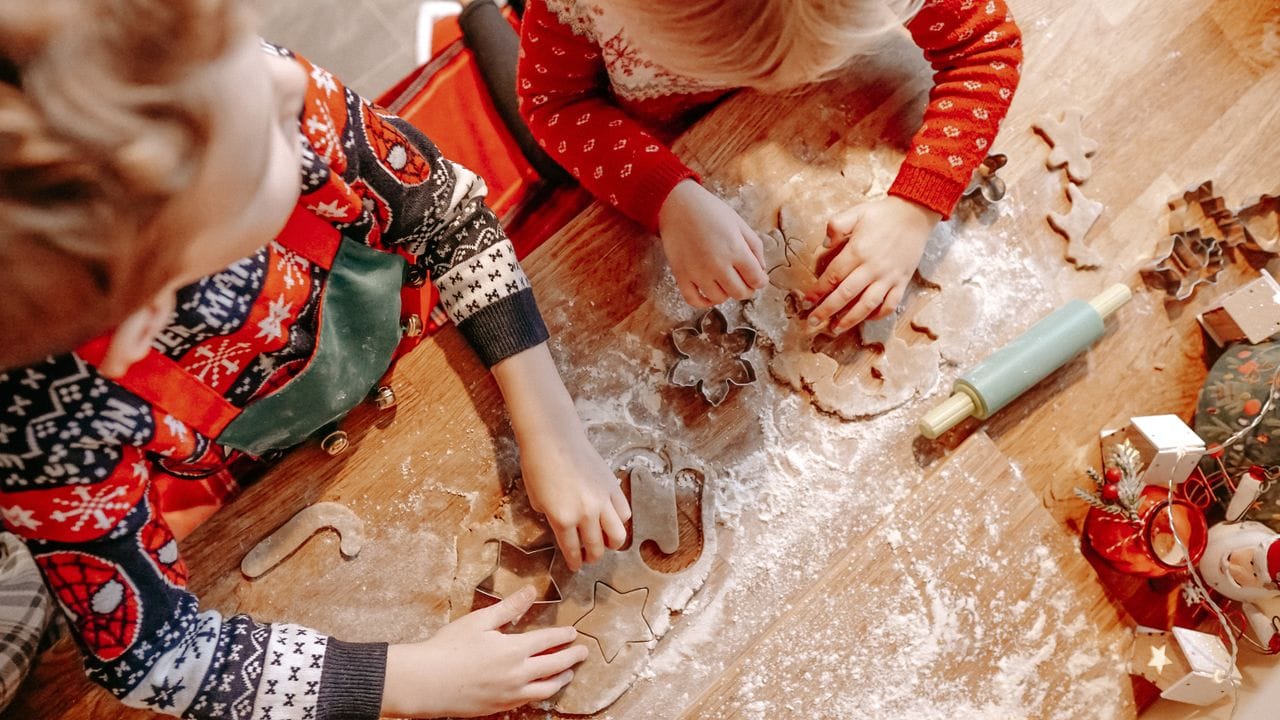
Your kitchen can become an extension of your homeschool classroom, and holiday baking offers plenty of opportunities for hands-on learning.
You don’t need to create elaborate lesson plans or turn every recipe into a formal school assignment. Simply involve your children in the process and point out the learning opportunities along the way.
Here are a few ways to incorporate baking into your homeschool.
Math
Baking provides practical opportunities to work with numbers, measurements, fractions, and problem-solving.
Children can:
Measure ingredients.
Double or halve recipes.
Convert measurements.
Compare quantities.
Calculate baking times.
Divide cookies or treats into equal portions.
Reading and Language Arts
Recipes are wonderful opportunities to practice reading and following written instructions.
Children can:
-Read recipes aloud.
-Follow step-by-step directions
-Learn new vocabulary
-Write their own recipes
-Create holiday recipe cards
-Write gift tags or notes to accompany homemade treats
Science
The kitchen offers plenty of opportunities to explore scientific concepts.
Children can learn about:
-How yeast makes bread rise.
-Why baking soda and baking powder help baked goods rise.
-How heat changes ingredients.
-What happens when butter melts.
-Why certain ingredients need to be combined in a particular order.
History and Geography
Holiday recipes can also open the door to conversations about traditions around the world.
Explore questions such as:
-Where did gingerbread traditions originate?
-What holiday breads are popular in different countries?
-How do families around the world celebrate Christmas?
-Where do common baking ingredients come from?
You could even choose one international holiday recipe and explore its cultural background before making it together.
Life Skills
Baking also helps children develop practical skills they’ll use throughout their lives.
They can practice:
-Following directions
-Measuring accurately
-Kitchen safety
-Food preparation
-Cleaning up after a project
-Working independently
-Sharing responsibilities
And perhaps most importantly, they get to see how these skills are used in everyday life.
- Give Everyone a Job in the Kitchen
If you’ve ever tried to bake with several children at once, you know that having everyone crowd around the counter can quickly become a little chaotic!
A simple way to make baking more manageable is to assign age-appropriate responsibilities.
Not every child needs to complete every step of a recipe. Giving everyone a specific job helps the process run more smoothly and gives children a sense of contribution.
Here are some ideas:
Younger Children
-Pour pre-measured ingredients
-Stir mixtures
-Add sprinkles
-Use cookie cutters with supervision
-Place decorations on cookies
-Help clean up
Elementary-Age Children
-Measure dry ingredients
-Crack eggs with supervision
-Mix batters
-Roll dough
-Read recipe instructions
-Prepare simple toppings
Older Children and Teens
-Read and follow recipes independently
-Measure ingredients
-Prepare cookie dough
-Manage baking timers
-Help with oven tasks using appropriate supervision
-Plan and prepare a recipe from beginning to end
Of course, children’s abilities vary, so adjust responsibilities based on their experience and comfort level.
You can also rotate jobs so everyone has an opportunity to try something new.
One child might be the official ingredient measurer, another the mixer, and another the decorating assistant.
And don’t forget the cleanup crew!
Making cleanup part of the activity from the beginning helps everyone understand that cooking and baking involve more than just the fun parts.
- Prepare Ahead to Make Baking Days Easier
A little preparation can make an enormous difference when baking day arrives.
Rather than trying to complete every task at once, look for opportunities to break recipes into smaller steps.
Here are some ways to prepare ahead:
-Measure Dry Ingredients
For certain recipes, you can measure dry ingredients in advance and store them in labeled containers or bags.
-Prepare Cookie Dough
Many cookie doughs can be refrigerated or frozen ahead of time. Check individual recipes for storage instructions.
-Gather Your Supplies
Before starting, make sure you have the necessary mixing bowls, measuring cups, baking sheets, parchment paper, and utensils.
-Set Up Your Workspace
Clear your counters, make room for cooling racks, and gather decorating supplies before inviting everyone into the kitchen.
-Choose Make-Ahead Recipes
Some holiday treats can be prepared well in advance and stored appropriately.
Consider:
-Cookie dough
-Homemade pie crusts
-Certain quick breads
-Fudge
-Freezer-friendly baked goods
Always follow the recipe’s storage and food-safety recommendations.
Make a Baking Day Checklist
For each baking session, write down what needs to happen before, during, and after baking.
For example:
Before:
-Gather ingredients
-Preheat oven
-Prepare baking sheets
-Wash hands and clear the counter
During:
-Read recipe
-Measure ingredients
-Mix and prepare dough
-Bake and set timers
After:
-Cool baked goods
-Decorate or package
-Clean counters and utensils
-Store leftovers properly
Having a simple checklist takes some of the decision-making out of the process and makes it easier to get started.
- Plan for Making Homemade Gifts
If your family enjoys giving homemade gifts, holiday baking is a wonderful opportunity to create something thoughtful without adding a complicated shopping trip to your December schedule.
Homemade treats can be simple, affordable, and fun for children to help prepare.
A few ideas include:
-Christmas cookie boxes
-Homemade fudge assortments
-Chocolate-covered pretzels
-Mini loaves of holiday bread
-Homemade granola
-Decorated sugar cookies
-Hot chocolate mix jars
You don’t have to make dozens of different treats.
Choose one or two recipes that are easy to prepare in larger quantities and decide who will receive them.
Then gather your packaging supplies ahead of time.
Children can help decorate gift tags, arrange cookies in boxes, tie ribbons, and prepare small notes to include with each gift.
It’s also a lovely opportunity to talk about generosity, thoughtfulness, and the different ways we can show appreciation for the people around us.
One important consideration: If you’re preparing gifts for others, check for food allergies and dietary restrictions before choosing your recipes.

- Have a Backup Plan for Busy Weeks
Even the best holiday baking plan needs a little flexibility.
Homeschool schedules change. Children get sick. Unexpected appointments come up. Holiday commitments multiply.
And sometimes, you simply don’t feel like spending an afternoon in the kitchen.
That’s okay!
Instead of abandoning your entire plan when something changes, build a little flexibility into it.
Here are a few ways to do that:
Keep a Few Easy Recipes Available
Have two or three simple recipes that require minimal preparation.
Think muffins, quick breads, drop cookies, or simple brownies.
Choose Recipes That Can Be Frozen
If you have an unexpectedly productive baking day, make an extra batch of something that freezes well.
You can save it for a later gathering or holiday treat.
Have a No-Bake Option
Not every holiday treat needs to come out of the oven.
Chocolate-covered pretzels, cereal treats, and other simple no-bake recipes can be wonderful alternatives.
Give Yourself Permission to Skip Something
If your calendar becomes too full, remove a recipe from the list.
Your family’s holiday traditions don’t depend on completing every item on your baking wish list.
A flexible plan is much more useful than a perfect plan that becomes another source of pressure.
- Make Room for the Memories, Not Just the Finished Recipes
Here’s something worth remembering as you plan your holiday baking season:
The goal isn’t to create a picture-perfect assortment of Christmas cookies.
It’s to make room for experiences your family can enjoy together.
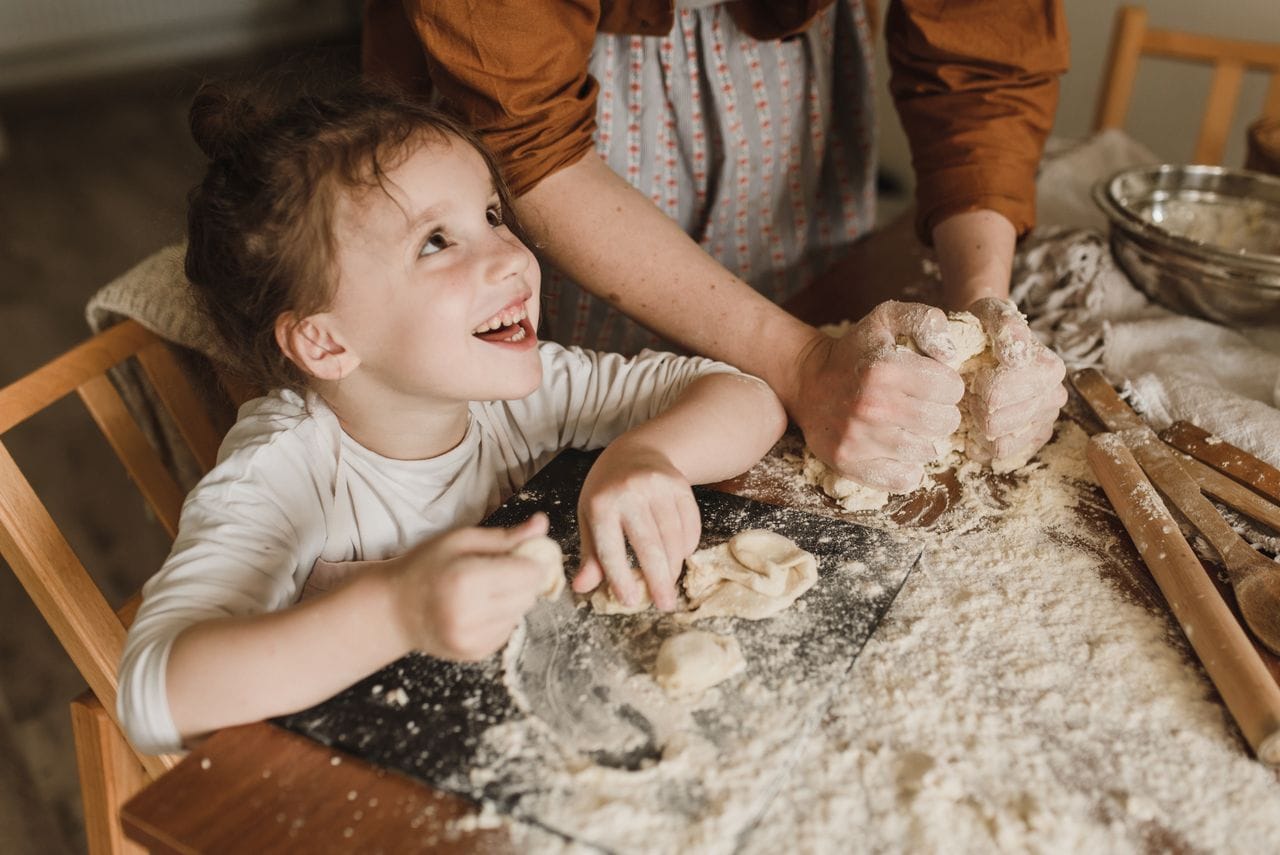
Some recipes will turn out beautifully. Others might not look quite like the pictures. There may be extra flour on the counter, sprinkles on the floor, and a few cookies that disappear before they ever make it into the storage container.
That’s all part of the experience!
Try not to make every baking activity about the finished product.
Take pictures of your children measuring ingredients, decorating cookies, and working together. Save a favorite recipe in a family cookbook. Let each child choose a recipe to make again next year.
You might even start a simple holiday baking tradition where everyone chooses one recipe to make every December.
Over time, those recipes can become part of your family’s seasonal traditions.
And remember, traditions don’t have to be elaborate to be meaningful. Sometimes the simplest activities are the ones children remember most.
Your Holiday Baking Plan Starts With One Small Step
If holiday baking has been on your mind but hasn’t quite made it onto your calendar, now is a wonderful time to get started.
You don’t need to plan every detail of November and December in one afternoon.
Start with your wish list. Choose a handful of recipes. Pick a few dates. Organize your ingredients and gather your supplies.
Then give yourself permission to enjoy the process.
As homeschool moms, we’re often managing so many different responsibilities that even the activities we look forward to can start to feel like another item on our to-do lists.
A little planning helps take away some of that mental load, making it easier to follow through on the things we want to do.
So gather the family, pull out those favorite recipes, and start making your holiday baking plan.
You may find that a little organization is all it takes to turn those saved recipes and good intentions into something your family actually gets to enjoy.
Here’s to a holiday season filled with delicious recipes, hands-on learning, and plenty of time spent together in the kitchen!
⸻
Looking for more ways to bring baking into your homeschool?
Explore The Lively Bean’s homeschool baking ideas and resources for practical ways to incorporate baking into your family’s learning throughout the year. From seasonal recipes to age-appropriate baking skills, there’s plenty of inspiration for making the kitchen a place for learning and family experiences.
Here are some other blog posts that you may be interested in as well: