How To Create a Well-Rounded Homeschool Experience For Your Children
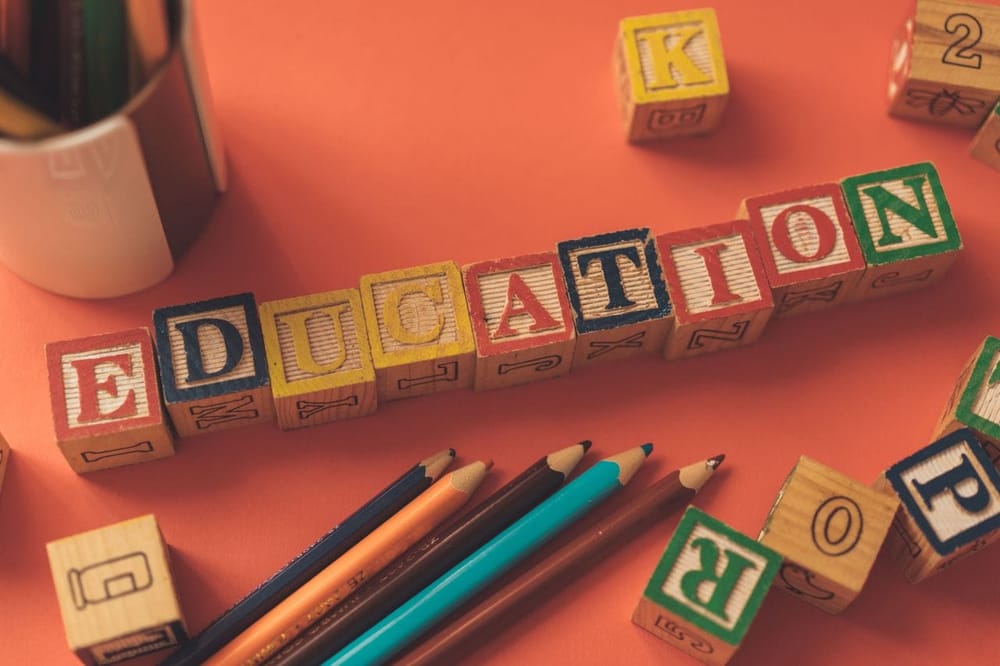
When families begin homeschooling, much of the initial focus naturally falls on academics. Parents research curriculum, organize lesson plans, create schedules, and figure out how to teach different subjects.
But as homeschooling becomes part of everyday family life, another important question begins to emerge:
What else should be part of my child’s homeschool experience?
A meaningful education involves much more than completing math lessons, reading textbooks, and working through assignments. Children also need opportunities to develop practical skills, explore personal interests, build friendships, participate in their communities, and discover the world around them.
Swimming lessons, sports, music, field trips, volunteer work, cooking, independent reading, and even a child’s first job can all contribute to a well-rounded education.
The wonderful thing about homeschooling is the flexibility to create an educational experience that extends beyond traditional academics.
Let’s explore the different opportunities that can help make your child’s homeschool journey rich, meaningful, and full of discovery.

- Build a Strong Foundation Through Reading
Reading is one of the most valuable parts of a child’s education, but developing a love of reading involves more than assigning books and tracking reading minutes.
Children benefit from experiencing books in different ways and discovering that reading can be both an important learning tool and an enjoyable part of everyday life.
Consider incorporating several types of reading experiences into your homeschool.
Family read-alouds- Reading aloud together creates opportunities to explore stories, discuss ideas, introduce new subjects, and enjoy books as a family.
*Read-alouds can include:
-Classic children’s literature -Picture Books (Don't forget the seasonal and holiday ones!) -Historical fiction -Biographies and nonfiction
-Adventure and mystery stories
-Poetry and short stories -Books that introduce different cultures and perspectives
Independent reading- Children also benefit from having time to choose and explore books independently.
Make regular library visits, create cozy reading spaces, and encourage children to explore different genres and authors.
Some children may gravitate toward chapter books, while others enjoy graphic novels, biographies, science books, or books about their favorite interests.
The goal is to help children develop a lasting relationship with reading, not simply complete a required number of books.

- Explore Sports, Swimming, and Physical Activities
Physical development is an important part of a well-rounded childhood.
Homeschooling offers flexibility in scheduling activities, which can make it easier to explore sports and recreational opportunities that might otherwise be difficult to fit into a traditional school day.
Swimming and water safety- Swimming lessons are an especially valuable experience for children. Learning to swim develops confidence, coordination, and an important safety skill.
Depending on your child’s interests and experience, opportunities might include:
-Beginner swimming lessons
-Water safety classes
-Recreational swimming
-Competitive swimming
-Water-based activities and sports
Team and individual sports- Sports provide opportunities to develop physical skills while learning teamwork, discipline, perseverance, and sportsmanship.
Some options include:
-Soccer, basketball, baseball, and volleyball
-Tennis and pickleball
-Gymnastics and martial arts
-Dance and cheerleading
-Cycling and running clubs
Not every child will enjoy competitive sports, and that’s okay. Recreational activities, outdoor play, and individual pursuits can be equally valuable ways to stay active.

- Discover Interests Through Extracurricular Activities
One of the benefits of homeschooling is the ability to explore interests outside a traditional academic schedule.
Extracurricular activities give children opportunities to discover new talents, develop skills, and connect with others who share their interests.
Consider exploring:
Creative activities
-Art and drawing classes
-Pottery and ceramics
-Photography
-Sewing and crafting
-Music and instrument lessons
-Theater and performing arts
Academic and technical interests
-Robotics clubs
-Coding classes
-Science clubs
-Chess clubs -Engineering and building workshops
-Writing and debate groups
Community and youth organizations
-4-H
-Homeschool co-ops
-Local youth clubs
-Community arts programs
Pro tip: Ask the dance studio or theatre program for a free trial class before committing to paying for a full semester and see if your child is willing to do the class and see if he or she enjoys it.
Children don’t need to participate in everything. Giving them opportunities to try different activities can help them discover what they genuinely enjoy.

- Make Field Trips and Real-World Exploration Part of Learning
Some of the most memorable learning experiences happen outside the home.
Field trips allow children to connect what they’re studying with the world around them. They can introduce new interests, provide context for academic subjects, and create opportunities to ask questions and explore.
Think beyond traditional school field trips and consider the many places available in your community.
Educational destinations
-Museums and science centers -Children's museums
-Zoos and aquariums
-Botanical gardens
-Historical sites
-Art galleries
-Planetariums
Behind-the-scenes experiences
-Farms
-Local businesses
-Factories and manufacturing facilities
-Fire stations and community services
-Bakeries and local restaurants -Libraries and cultural centers
Outdoor exploration
-State and national parks
-Nature centers
-Geological sites
-Local parks and nature preserve
Field trips don’t have to be elaborate or expensive. Exploring a local business, visiting a nearby nature preserve, or attending a community event can provide valuable learning experiences.
You can also encourage children to take the lead by researching destinations, preparing questions, and helping plan family outings.
- Teach Practical Life Skills Through Everyday Experiences
A well-rounded homeschool education isn’t just about what children learn from books. It’s also about helping them develop the practical skills they’ll use throughout their lives.
Homeschooling offers plenty of opportunities to introduce these skills through everyday activities at home and in the community. Rather than treating life skills as another subject that needs its own place on an already-full schedule, look for ways to include them in the things your family is already doing.
Here are some practical life skills to consider teaching along the way.
Cooking, Baking, and Kitchen Skills
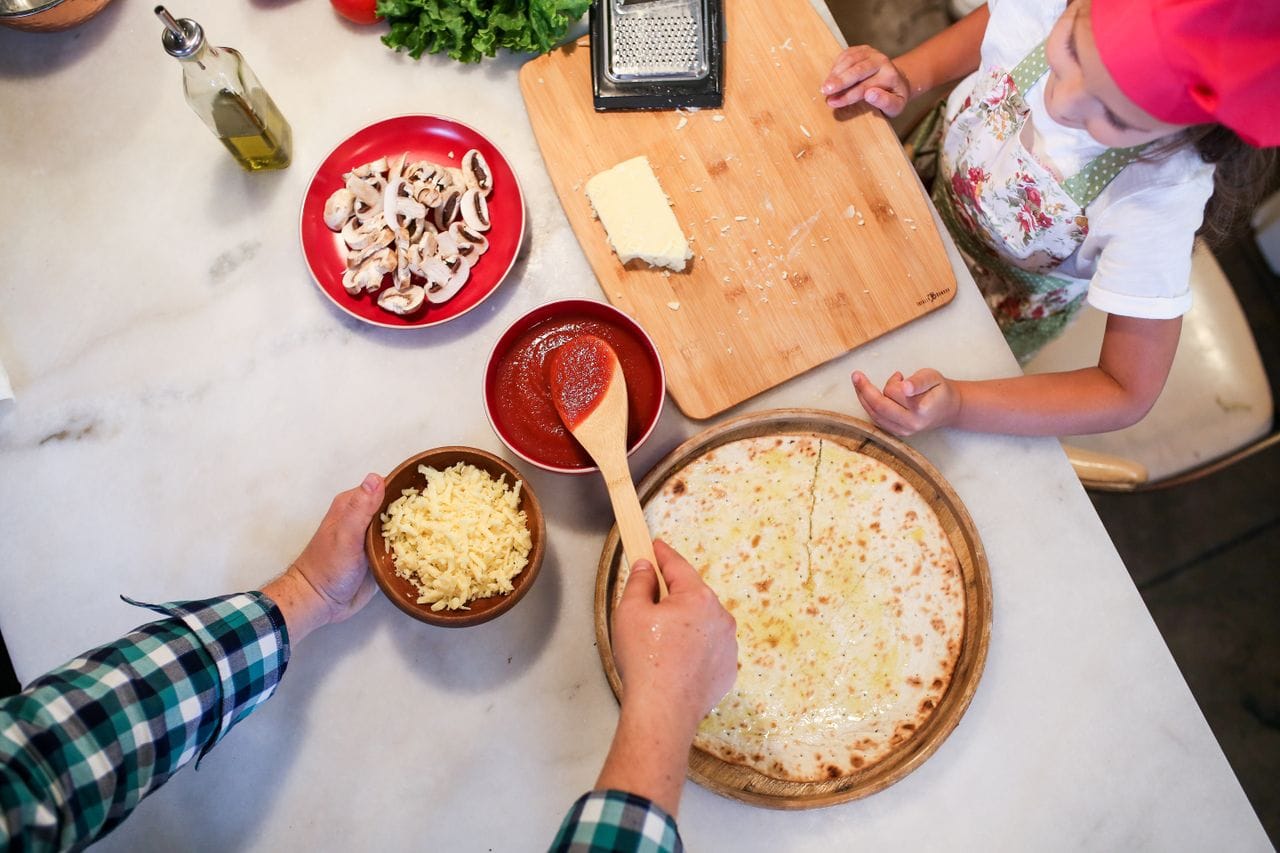
The kitchen is a wonderful place for hands-on learning. Children can start with simple tasks, such as washing produce, stirring ingredients, measuring, and preparing snacks. As they grow, they can learn to follow recipes, plan simple meals, use kitchen equipment safely, and prepare food independently.
Household Responsibilities and Home Management
Children can gradually learn how to care for their belongings and contribute to the household. This might include making beds, sorting and folding laundry, washing dishes, cleaning shared spaces, organizing belongings, and learning basic home maintenance.
Communication and Correspondence
Knowing how to communicate clearly is a skill children will use throughout their lives. Give them opportunities to practice writing a friendly letter, addressing an envelope, sending a thank-you note, writing an email, or composing a polite message.
They can also practice introducing themselves, making phone calls, asking questions, leaving a clear message, and having conversations with people outside the family. Older children can learn how to write professional emails and communicate appropriately with teachers, employers, and community organizations.
Making Appointments and Managing Everyday Errands
Children can gradually learn how to handle everyday tasks that adults often take for granted. With guidance, they can practice:
-Calling to schedule, confirm, or reschedule an appointment
-Understanding how to prepare for an appointment and arrive on time
-Making a reservation or asking about business hours
-Ordering food at a restaurant or placing an order over the phone
-Creating a grocery list and helping place an online grocery order
-Finding items in a store and comparing products
-Asking store employees for assistance
-Understanding receipts, payment methods, and basic transactions
Younger children can begin by observing and participating alongside a parent. Older children can take the lead on appropriate tasks while you provide guidance when needed.
Time Management and Organization
As children grow, they can take on more responsibility for managing their own time and commitments. Younger children might practice following a simple morning routine or keeping track of their belongings. Older children can use calendars, planners, and schedules to organize assignments, activities, appointments, and personal responsibilities.
Personal Care, Safety, and Self-Management
Children also need opportunities to learn how to take care of themselves and make responsible decisions. Depending on their age, this may include personal hygiene, choosing appropriate clothing, understanding basic first aid, recognizing household safety concerns, preparing for changing weather, and knowing when to ask an adult for help.
As they get older, you can introduce additional topics such as online safety, navigating unfamiliar places, and making thoughtful decisions when faced with unfamiliar situations.
Problem-Solving and Practical Decision-Making
Some of the most valuable life skills develop when children are given opportunities to work through everyday challenges. Let them help plan a family outing, figure out how to organize a project, compare options before making a purchase, or troubleshoot a simple problem around the house.
With appropriate guidance, children can learn to think through challenges, consider possible solutions, and build confidence in their own abilities.
Let Life Skills Grow Alongside Your Child
Life skills don’t need to be taught all at once, and children won’t all be ready for the same responsibilities at the same age. Start with simple tasks, demonstrate how to do them, and gradually give children more opportunities to practice independently.
The goal isn’t to turn every household activity into a formal lesson. It’s to help children become familiar with the responsibilities and decisions they’ll encounter as they grow.
Some of the most valuable learning happens while writing a letter, making a phone call, ordering lunch, preparing dinner, planning a shopping trip, or figuring out how to solve an everyday problem. These ordinary experiences can become meaningful opportunities to develop skills that will serve children well long after their homeschool years.

- Create Opportunities for Friendships and Social Connections
Friendships and social relationships are an important part of childhood.
Homeschooling families often need to be more intentional about creating opportunities for children to spend time with other kids, develop friendships, and participate in group experiences.
Fortunately, there are many ways to build these connections.
Consider:
-Joining a local homeschool group
-Participating in homeschool co-ops
-Attending community sports and recreation programs
-Joining clubs and youth organizations
-Organizing regular playdates
-Participating in group classes and workshops
-Connecting with neighborhood families
-Attending community events
Hosting can also create wonderful opportunities for children to build friendships.
You might invite homeschool friends over for baking, organize a game afternoon, host a craft day, or bring several families together for an outdoor gathering.
These experiences allow children to practice communication, cooperation, conflict resolution, and relationship-building in natural settings.
It’s also important to remember that children don’t all form friendships in the same way. Some enjoy large groups and frequent activities, while others prefer a smaller circle of close friends.
The goal is to provide opportunities for meaningful connections rather than measuring social experiences by the number of activities on the calendar.
- Introduce Volunteer Work and Community Involvement
Children benefit from understanding that they are part of something larger than their immediate family.
Volunteer work and community involvement provide opportunities to develop empathy, responsibility, generosity, and an understanding of the needs of others.
Depending on age, interests, and local opportunities, children might:
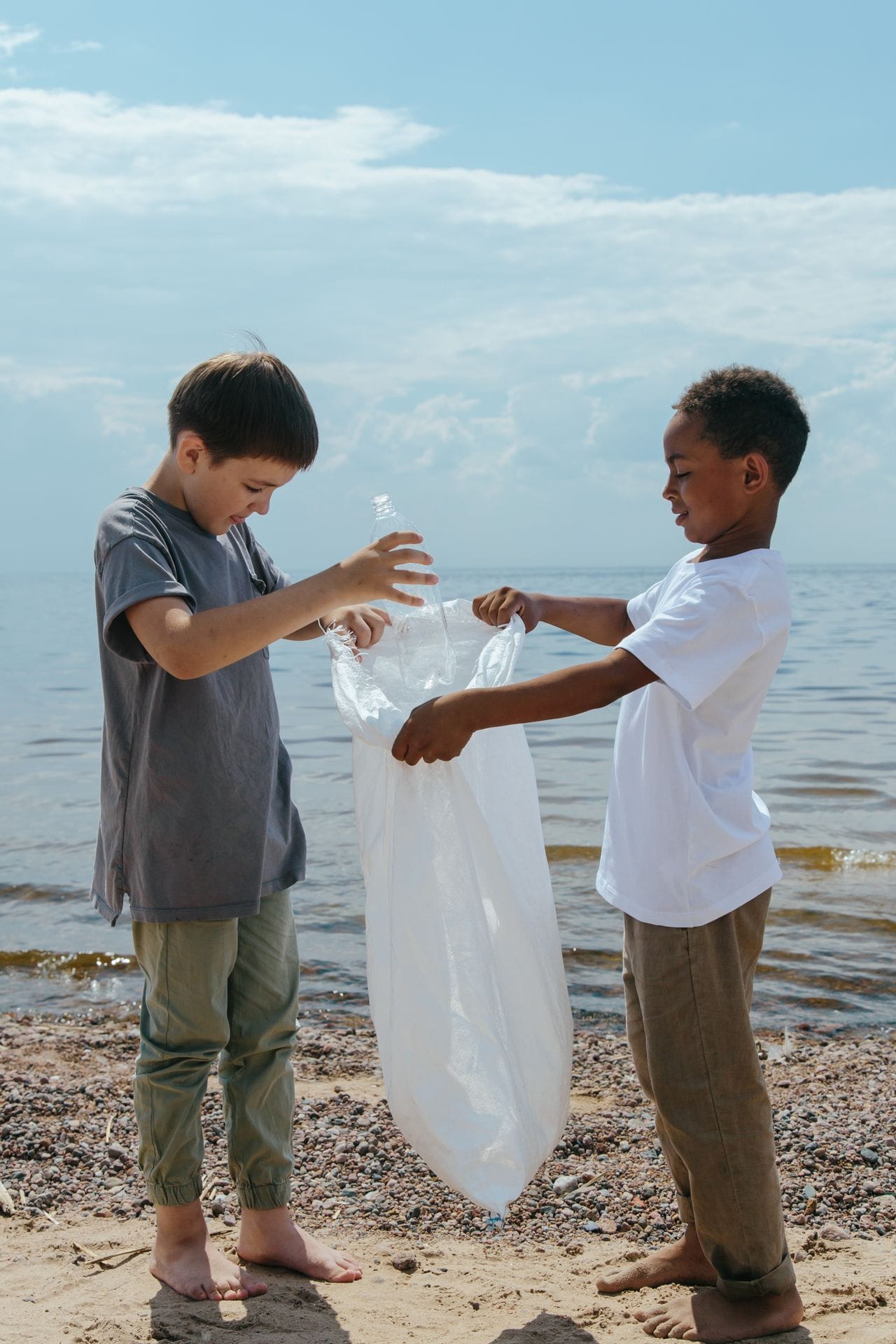
-Participate in community cleanups
-Help with food drives
-Assist with age-appropriate charitable projects
-Participate in environmental conservation activities
-Help neighbors with simple tasks
-Support community fundraisers
-Participate in organized volunteer programs
-Help care for animals through appropriate organizations
These experiences can also introduce children to different community organizations and the people who help them operate.
Rather than treating volunteering as another assignment, look for opportunities to involve children in causes they genuinely care about.
- Explore Work Experience and Entrepreneurship
As children grow, opportunities to learn about work, careers, and earning money become increasingly valuable.
Real-world work experiences help young people develop responsibility, communication skills, time management, and an understanding of what it takes to contribute to a workplace or business.
For younger children, this might begin with helping around the home, participating in family projects, or running a pretend business.
Older children and teenagers can explore opportunities such as:
Age-appropriate work experiences
-Pet sitting
-Yard work
-Babysitting when appropriately prepared
-Helping neighbors with projects
-Seasonal employment
-Part-time jobs where legally permitted
Entrepreneurship
-Starting a small craft business
-Selling baked goods where permitted
-Offering lawn care or other neighborhood services
-Creating and selling artwork
-Developing a small online business with appropriate adult guidance
Career exploration
-Job shadowing
-Interviewing professionals
-Attending career fairs
-Exploring different industries
-Participating in internships or work-based learning programs where eligible
These opportunities can help children begin connecting their interests and abilities with possible future careers.
For older homeschoolers, work experience can also become a meaningful part of preparing for life after graduation.

- Develop Financial Literacy and Money Management Skills
Understanding how money works is an important life skill, and homeschooling provides many opportunities to introduce financial concepts through everyday experiences.
Children can gradually learn about:
-Earning money
-Saving for purchases
-Creating a simple budget
-Understanding spending choices
-Comparing prices -Needs versus wants
-Banking and interest -Giving and charitable contributions
-Managing income from a small business or job
For younger children, these lessons might begin with a savings jar and conversations about purchasing decisions.
Older children can take on more responsibility by managing a budget, tracking spending, planning purchases, and learning about banking.
The goal is to help children develop confidence and make informed financial decisions as they become more independent.
- Encourage Creativity and Personal Interests
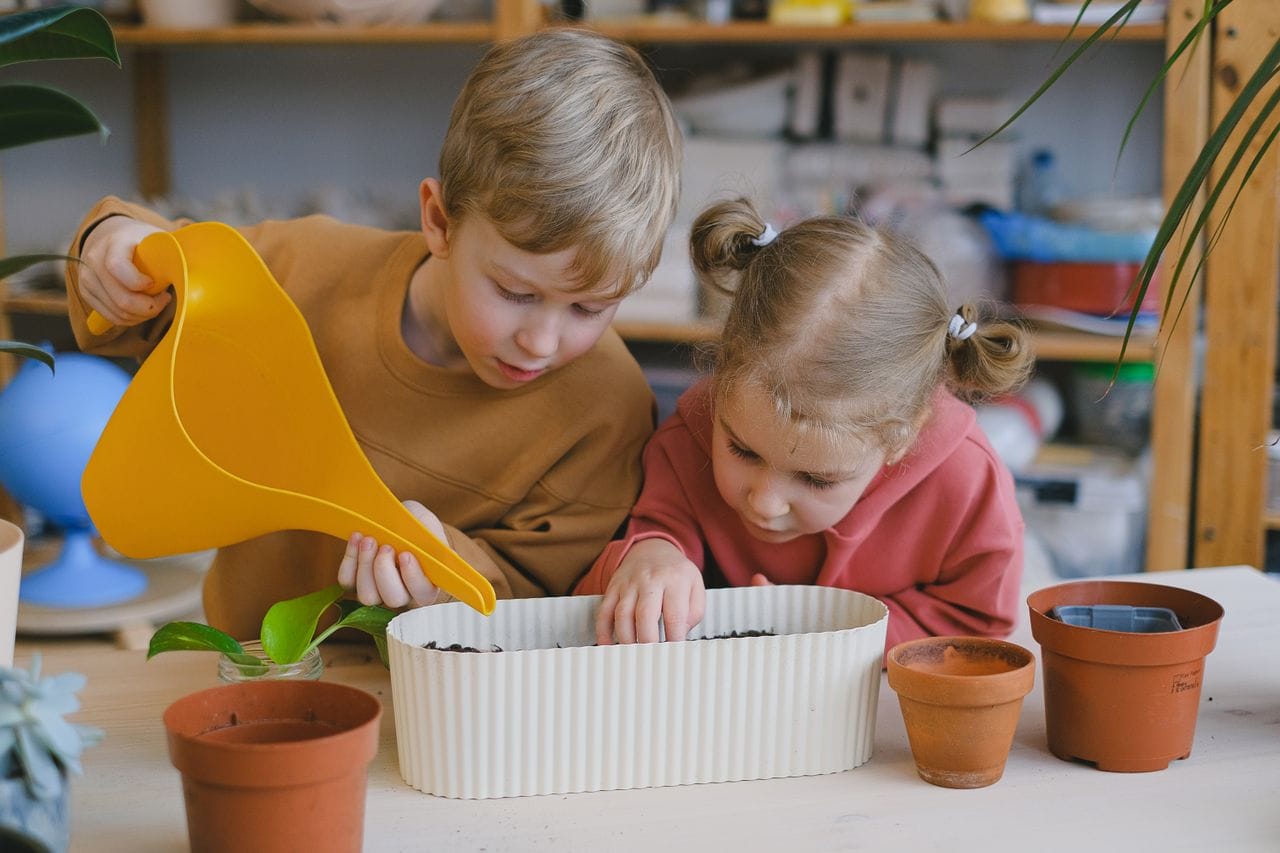
Children need opportunities to discover what interests them, experiment with new ideas, and develop their own passions.
Not every activity needs to be connected to a curriculum or have a measurable academic outcome.
Sometimes the most valuable experience is simply allowing a child to explore something they find interesting.
Encourage children to:
-Create artwork
-Build models and inventions
-Write stories
-Explore music
-Learn photography
-Garden -Learn how to fix things
-Cook and bake
-Experiment with science projects
-Explore hobbies independently
Pay attention to the subjects and activities that naturally capture your child’s attention.
Those interests can become starting points for deeper learning, new friendships, extracurricular opportunities, and even future career exploration.

- Build Independence, Confidence, and Responsibility
One of the long-term goals of education is helping children become capable individuals who can make decisions, solve problems, and navigate life with increasing independence.
These abilities develop through experience and practice.
Look for opportunities to let children:
-Make age-appropriate decisions
-Take responsibility for personal belongings
-Manage their own schedules
-Plan and complete projects
-Solve problems before immediately seeking help
-Communicate with adults
-Follow through on commitments
-Learn from mistakes
-Take ownership of age-appropriate responsibilities
As children grow, gradually give them more opportunities to manage aspects of their education and everyday lives.
Independence doesn’t develop overnight. It grows through small experiences, encouragement, and the confidence that comes from learning how to do things for themselves.
- Let the Homeschool Experience Grow With Your Child
One of the most important things to remember is that a well-rounded homeschool experience will look different at different ages and stages.
The interests, abilities, and opportunities available to a preschooler will naturally differ from those of a teenager preparing for adulthood.
Early childhood- Focus on exploration, play, read-alouds, physical development, basic life skills, and discovering interests.
Elementary years- Introduce sports, extracurricular activities, independent reading, friendships, field trips, creative pursuits, and increasing household responsibilities.
Middle school- Provide opportunities to explore deeper interests, develop independence, participate in community activities, volunteer, and begin exploring potential careers.
High school- Emphasize practical independence, work experience, financial literacy, volunteer opportunities, career exploration, and preparation for adulthood.
These stages aren’t rigid timelines. Children develop at different rates, and families will have different priorities and opportunities.
The important thing is to continue looking for ways to help children grow as their needs and interests change.

Creating a Homeschool Journey Full of Possibilities
One of the wonderful things about homeschooling is the opportunity to make learning part of everyday life. Education doesn’t have to stop when the books are closed or the school day is finished. It can happen while exploring a new place, learning to prepare a favorite meal, joining a team, discovering a hobby, helping someone in the community, or figuring out how to do something independently for the first time.
As you think about the experiences you want your children to have, consider the interests they’re developing, the skills they’d like to learn, and the opportunities available to your family. Some experiences may become regular parts of your routine, while others might be occasional adventures or unexpected discoveries along the way.
You don’t need an overflowing calendar or a long list of activities to create a meaningful homeschool experience. Often, it’s the simple opportunities, shared experiences, and everyday moments that make the biggest difference.
The full homeschool journey is about giving children room to explore the world around them, discover what interests them, build meaningful relationships, and develop the knowledge and skills they’ll carry into the future.
And that’s what makes homeschooling such an exciting opportunity: you get to create a learning experience that grows right alongside your children.