How to Set Up Your Homeschool Planner for 2026: A Step-by-Step Guide for Busy Homeschool Moms

The start of a new year always brings a mix of emotions—hope, motivation… and if we’re being honest, a little overwhelm too.
As a homeschool mom, you carry a lot. Your planner isn’t just a place to write things down—it’s your command center, your mental-load manager, and often the quiet support system that helps your days run more smoothly.
If you’re opening a fresh planner for 2026 (or revisiting one you already started), this is your gentle reminder:
This is not about creating a “perfect” homeschool year.
If you’re craving a fresh start without pressure, you might also enjoy our homeschool reset guide for 2026, which walks you through refreshing your homeschool plans with clarity and grace.
It’s about setting up a planner that supports your real life.
In this step-by-step guide, we’ll walk through how to set up your homeschool planner for 2026 in a way that feels practical, flexible, and encouraging—from academics and appointments to meals, family rhythms, and you.
So grab your favorite drink, take a deep breath, and let’s set up a planner that actually works for this season.
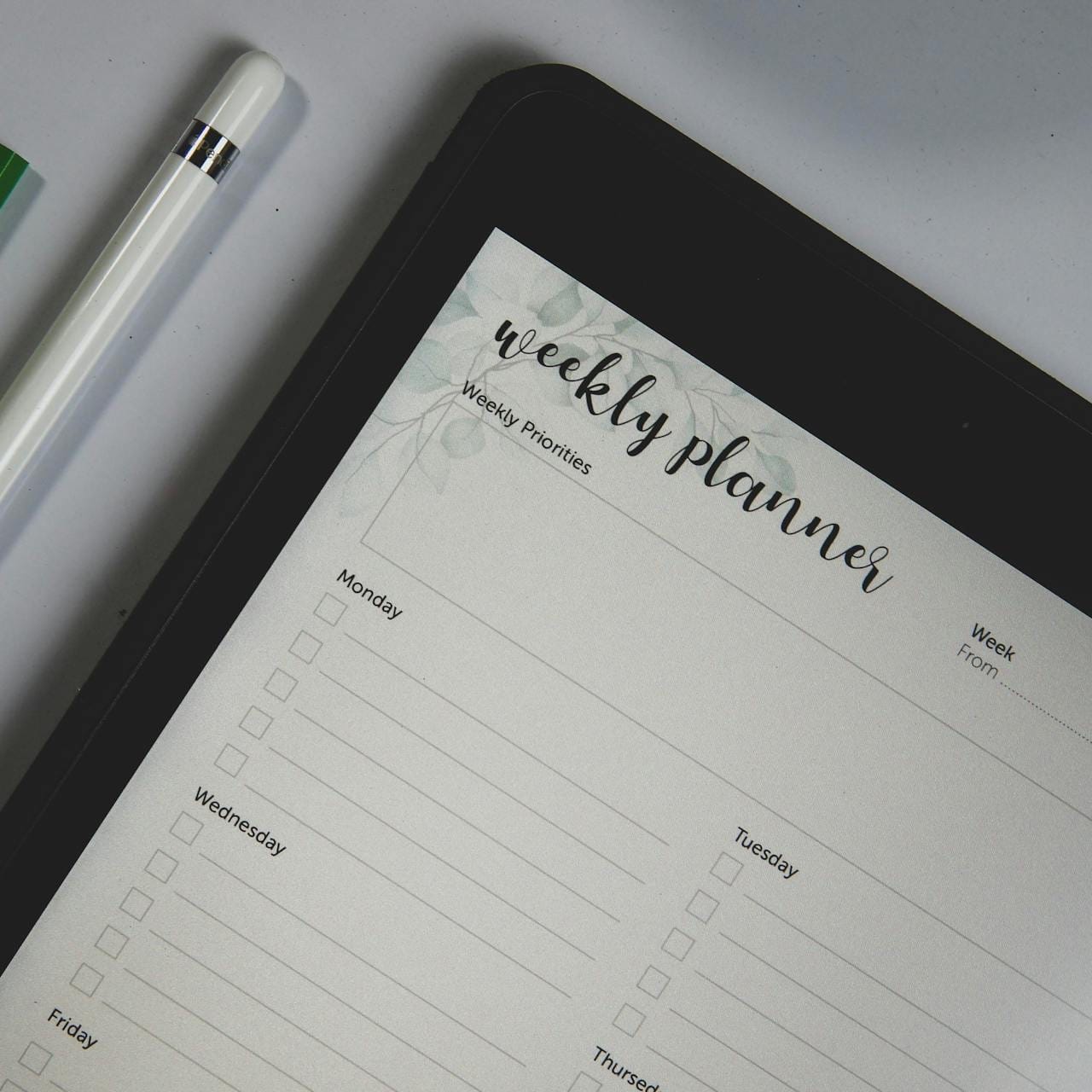
Step 1: Choose the Right Planner Format for This Year
Before you start writing anything, pause and reflect for a moment.
Ask yourself:
What kind of support do I need right now?
Not what worked years ago.
Not what looks beautiful online.
But what realistically helps you stay grounded and organized.
Popular Planner Options for Homeschool Moms
- Paper Planner-Ideal if you love writing things down and thinking on paper. Many homeschool moms find that physically seeing plans reduces mental clutter.
- Digital Planner-Tools like Google Calendar, Notion, or Trello can be helpful for reminders, shared schedules, and long-term planning—especially if you’re often on the go.
- Hybrid System-A favorite for many homeschool moms: digital for appointments and reminders, paper for homeschool planning, notes, and weekly focus.
Pro Tip: Think back to 2025. What parts of your planning system felt helpful—and what felt like extra work? Let that guide your 2026 setup.
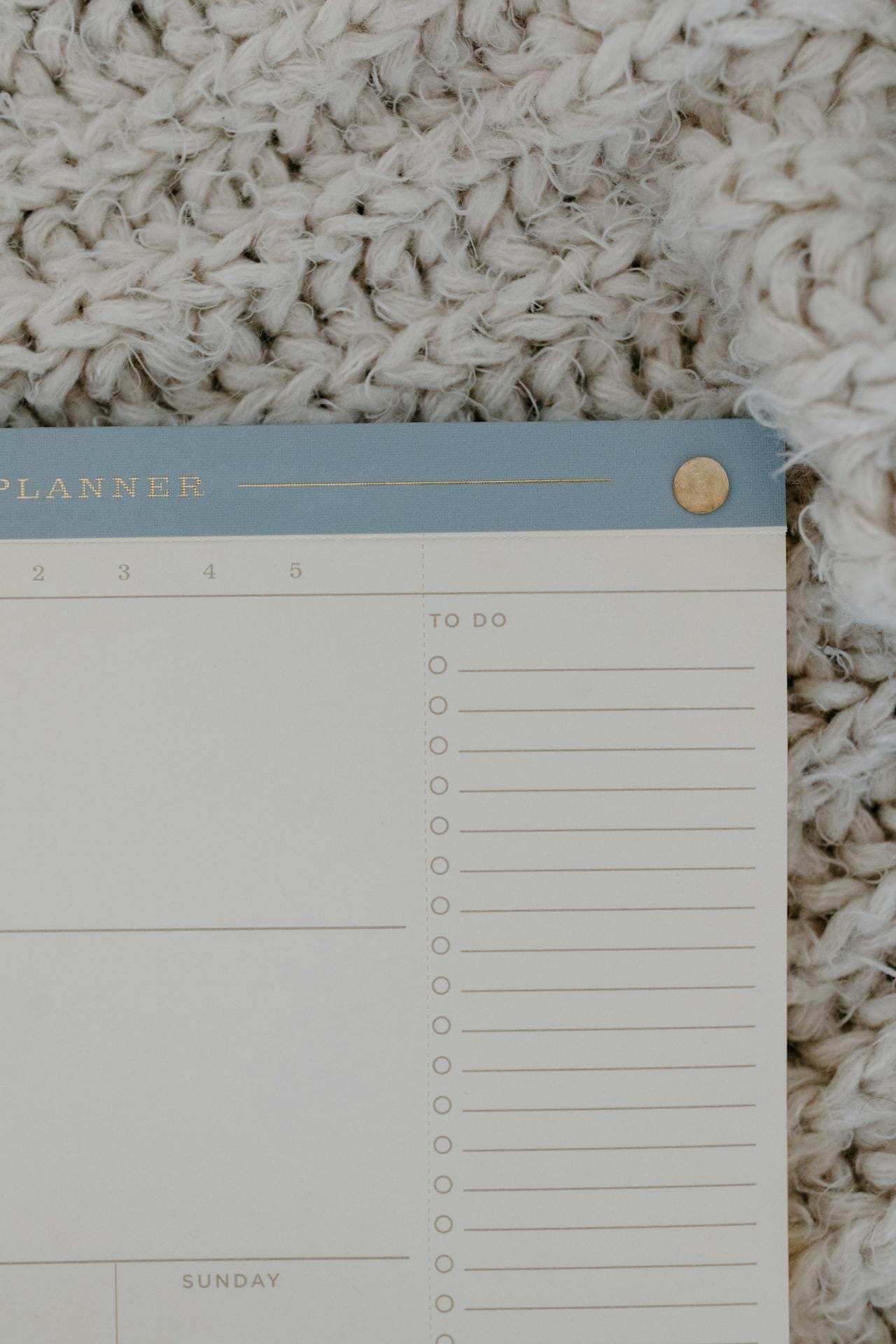
Step 2: Choose a Daily Layout That Matches Your Natural Rhythm
Your daily layout can either support your day—or quietly fight against it.
There’s no one-size-fits-all option here.
Common Daily Layouts
- Hourly Layout-Best for families who thrive on structure or have outside commitments like co-ops or therapies.
- Checklist Layout-Perfect for flexibility. Focus on what needs to happen, not when.
- Open Blocks-A balanced option that gives each subject space without strict time pressure.
Pro Tip: Your homeschool doesn’t need to look the same every day. Choose a layout that allows for tired mornings, unexpected errands, and slower seasons.

Step 3: Start With a 2026 Year-at-a-Glance Overview
Before you plan weeks or days, zoom out.
Use your yearly pages to mark:
- Holidays and birthdays
- Planned trips or breaks
- Spouse's scheduled time off work
- Due dates or deadlines (think kid's lessons or activities, homeschooling evaluation and/or paperwork (if required for your state), etc).
- Co-op semesters or extracurricular seasons
- Busy family months
Don’t Forget Annual Appointments
Add reminders for each member of the family:
- Dental and medical checkups
- Vision exams
- Homeschool evaluations (if required)
- Vet visits
This big-picture view helps you avoid over-planning during already-full seasons.

Step 4: Create a Gentle Homeschool Rhythm (Not a Rigid Schedule)
Instead of asking:
What should our schedule be?
Try:
What rhythm supports our family best?
A rhythm gives direction without pressure.
Examples:
- Mondays: lighter academics + home reset
- Midweek: core subjects
- Fridays: life skills, projects, or field trips
Write your rhythm somewhere visible in your planner so you’re not re-deciding every single day.

Step 5: Map Out Curriculum Without Overplanning
You don’t need to plan every lesson in January.
Instead, create clarity pages:
- Subjects per child ( listed in the order that they should be completed if your children are old enough to work independently)
- Curriculum or resources needed
- How often each subject happens
Include:
- Core academics
- Enrichment activities
- Life skills like cooking, budgeting, or home care
This reduces daily decision fatigue—and that alone is a huge win.

Step 6: Set Monthly and Weekly Focus Points
Break the year into manageable pieces.
Monthly Planning Ideas
- Seasonal themes/Shorter Unit Studies
- Nature studies
- Project-based learning
- Reset or catch-up weeks
Weekly Planning
- Core subjects
- Rotating extras
- One or two priorities—not everything
Helpful Addition:
Create a small Weekly Reflection space:
- What worked?
- What felt heavy?
- What needs adjusting?
This helps you move forward without guilt.

Step 7: Include Real-Life Planning (Because Homeschool Isn’t Everything)
Homeschooling happens inside real life—not separate from it.
Use your planner for:
- Meal planning and grocery lists
- Household tasks ie cleaning/decluttering/organizing
- Family activities
- Personal appointments
When life planning lives in your planner instead of your head, your mental load gets lighter.

Step 8: Plan for Field Trips, Co-ops, and Enrichment
Field trips don’t have to be last-minute.
Use your planner to:
- Brainstorm monthly outings
- Track membership options
- Budget ahead
Even one intentional outing per month adds richness without overwhelm.

Step 9: Create a Simple Homeschool Budget Section
Homeschool costs can sneak up on you.
Track:
- Curriculum purchases
- Supplies
- Activities and field trips
This doesn’t need to be complicated—just visible.
For more ideas on stretching your homeschool budget this year, this guide on saving money while homeschooling in 2026 is a helpful companion read.
Step 10: Add Lists That Save Time Later
Helpful planner lists include:
- Books to read (kids + you!)
- Supplies to restock
- Gift ideas for birthdays and holidays
- Personal goals or projects
Future you will be very thankful.
If you’re not sure which lists are worth keeping in your planner, this post on essential lists every homeschool mom should include in her planner walks you through the most helpful ones—without overcomplicating things.

Step 11: Make Room for Self-Care and Family Well-Being
This is not optional—it’s essential.
Use your planner to schedule:
- Quiet time
- Movement or walks
- One small thing just for you
Also consider
- Family wellness routines
- Outdoor time
- Slower homeschool days when needed
Your planner should support you, not demand more from you.
If you need permission to slow down and care for yourself, this post on self-care for busy homeschool moms offers encouragement and realistic ideas.

Step 12: Keep It Flexible—and Revisit It Often
Your planner is a tool, not a test.
Build in:
- Buffer weeks
- White space
- Permission to change plans
January is a great time to reset, but remember—you can reset again in February, April, or September.
A Gentle Encouragement as You Begin 2026
You don’t need a perfect system.
You don’t need to do everything.
You just need a planner that feels supportive
At The Lively Bean, we believe homeschool moms deserve tools that reduce pressure, lighten mental load, and meet you where you are.
So here’s to a calmer, clearer, more supported homeschool year—one page at a time.
If you’re looking for more homeschool planning and organization tips, you’ll find plenty of encouragement and practical tools here on The Lively Bean.
What part of your homeschool planner are you focusing on this year?
We’d love to hear—share on our Facebook Page 💜